Did you know Calgary was underwater 17,000 years ago?
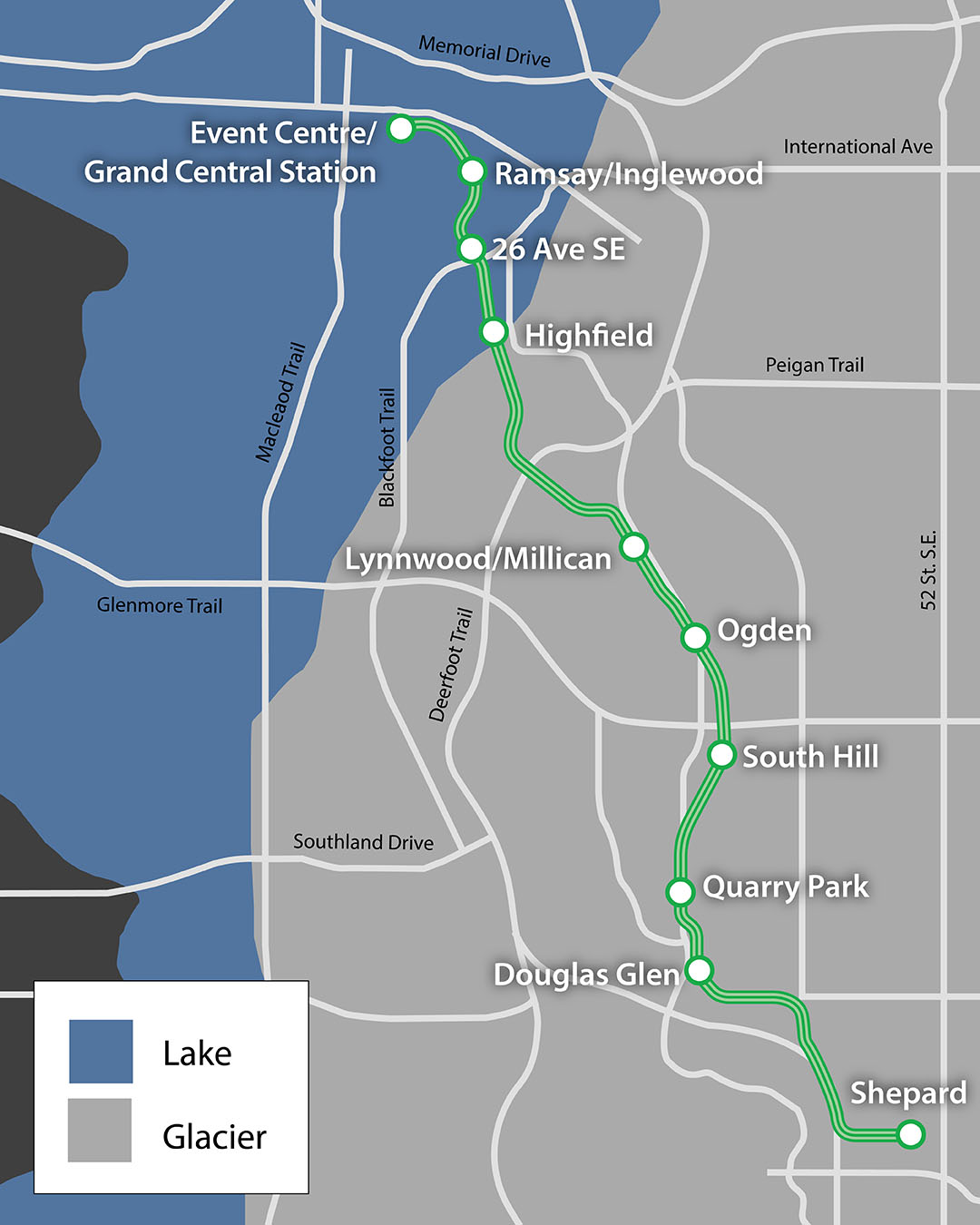
Approximately 17,000 years ago, much of present-day Calgary was inundated by Glacial Lake Calgary, a large glacial lake that formed during the retreat of the continental ice sheets. As the glaciers receded, meltwater accumulated in low-lying areas, creating extensive ice-dammed lakes containing fine-grained sediment deposits, including silts and clays.
As pressure increased, meltwater breached the ice dams, generating powerful flows that carved the land and established drainage features and extensive gravel deposits that characterize the modern Bow River Valley and the Big Hill Creek Formation.
These ancient fluvial gravels contain palaeontological resources that provide valuable evidence of past ecosystems, biodiversity, species evolution, and long-term environmental and climatic change.
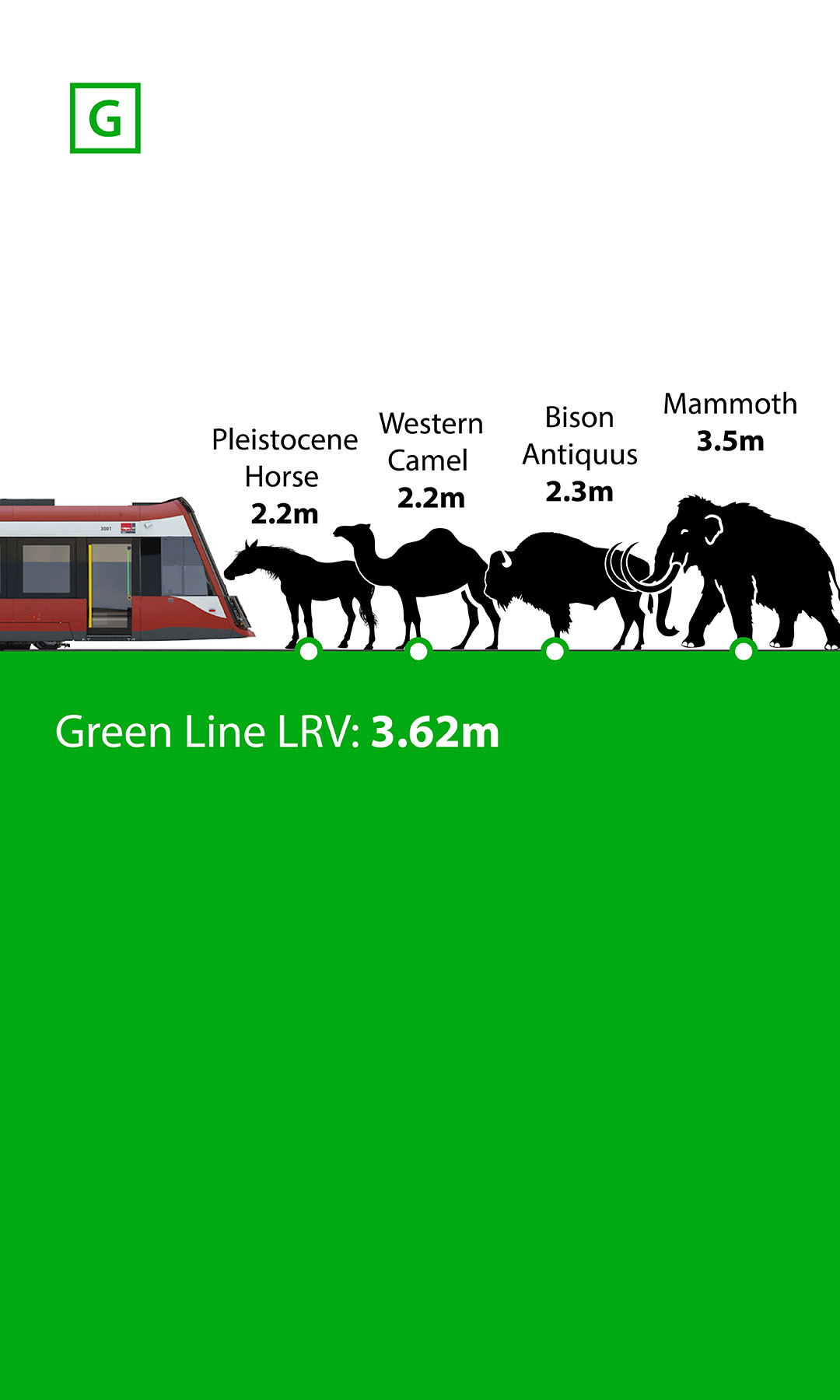
The fossils discovered within these deposits could preserve the remains of late Pleistocene and early Holocene fauna including mammoths, giant ancient bison, camels, horses, caribou and other species that once inhabited the region. Notably, these fossils are also finite and non-renewable resources, meaning any disturbance or destruction results in the irreversible loss of scientific information and reduce opportunities for future research and discovery.
As Green Line LRT construction progresses, we work closely with a team of palaeontologists who monitor areas where these ancient gravels may be present beneath our construction sites. Their expertise helps ensure any significant discoveries are properly identified, documented, protected and preserved in accordance with established processes and regulatory requirements.
Following these procedures helps us build responsibly, as we take care to avoid harming historical fossil artifacts that can enhance our understanding of the natural environmental landscape.
This monitoring work supports Green Line’s commitment to minimizing environmental impacts from construction and contributing to a more sustainable and equitable future for all.
Funded by