
Short-term rentals
A short-term rental is when you rent out all or part of your home for short stays, such as through platforms like Airbnb or Vrbo. This can include renting a room in your primary residence or an entire dwelling for temporary accommodation.
Short-term rentals in Calgary require a business licence and must meet specific safety, operational and regulatory requirements to help protect visitors, neighbours, and property owners.
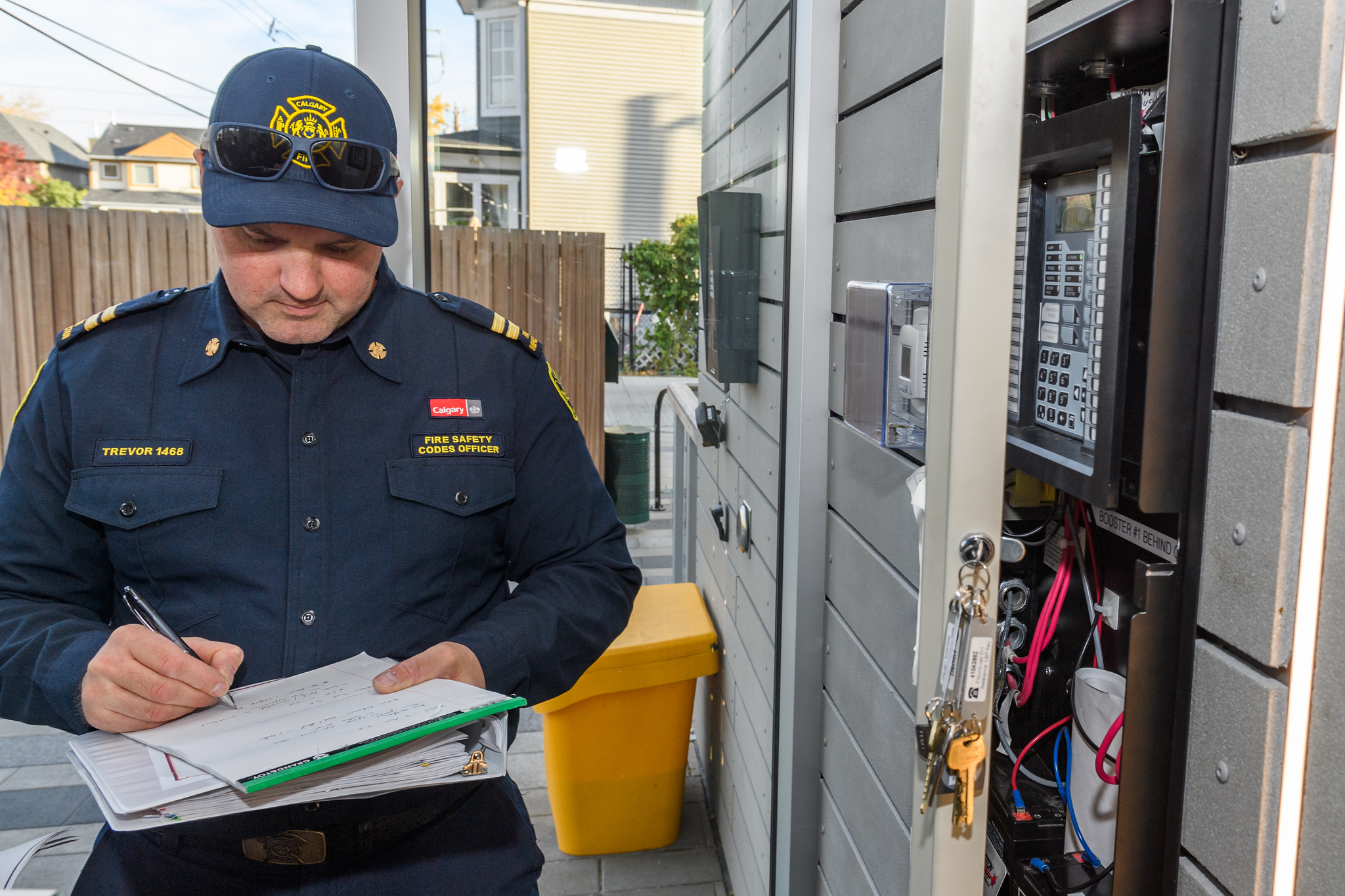
Fire inspection is required
All short-term rentals must pass a fire inspection before a business licence can be issued. The inspection confirms that your property meets safety requirements for guests. If deficiencies are identified, they must be corrected before approval can be granted.
Before you start
Not every property can operate as a short-term rental. Before you apply, confirm that:
- Your property meets safety requirements.
- Any secondary suite is approved and compliant.
- Required permits have been obtained.
- You can pass a fire inspection.
Understanding requirements early can help you avoid delays, failed inspections and unexpected upgrade costs.
Check property requirements Start a licence applicationHow to operate a short-term rental
Follow these steps to prepare your property and obtain your business licence.
Check property requirements
Confirm your property can legally operate as a short-term rental and identify any permits, approvals or upgrades required.
Prepare your property
Obtain permits and complete all safety requirements to ensure your property is ready for next steps.
Apply for your business licence
Submit your application and upload the required supporting documents.
Pass your fire inspection
Your property must successfully pass a fire inspection before you can operate.
Property requirements
Understanding requirements early will help you make informed decisions and avoid costly rework later.
Common requirements may include:
- Building, electrical, plumbing or gas permits for upgrades.
- Smoke and carbon monoxide alarms.
- Emergency exit windows in sleeping rooms.
- Secondary suite requirements.
Avoid delays and failed inspections
Common reasons applications and inspections are delayed include:
- Required permits not completed before fire inspection.
- Missing or inadequate smoke alarms.
- Missing carbon monoxide alarms.
- Bedroom windows that do not meet emergency egress requirements.
- Unapproved secondary suites.
Review requirements before applying to help avoid additional costs and inspection re-bookings.
You might be interested in
Prepare your property
Complete all permits for required upgrades before requesting your fire inspection. Booking your fire inspection before your property is ready can result in extra costs and a failed inspection.
Follow operating rules
Short-term rentals must comply with City regulations related to guest occupancy, booking requirements and community standards.
Application requirements
Before applying, make sure you review the application requirements to ensure you have all required information and documents ready.
You will learn:
- What documents to prepare.
- What information you need to submit.
- How the application process works.
Book and complete your fire inspection
Once you have submitted your application, you must complete a fire inspection. Your property must meet all safety and permit requirements before the inspection takes place.
As part of your application you may be required to:
- Provide proof of your primary residence.
- Upload a fire safety plan.
- Maintain appropriate liability insurance.
- If applying for a property that is an apartment or condominium, confirmation that short-term rentals are permitted in your condominium bylaws.