

Calgary's Ecological Network Project
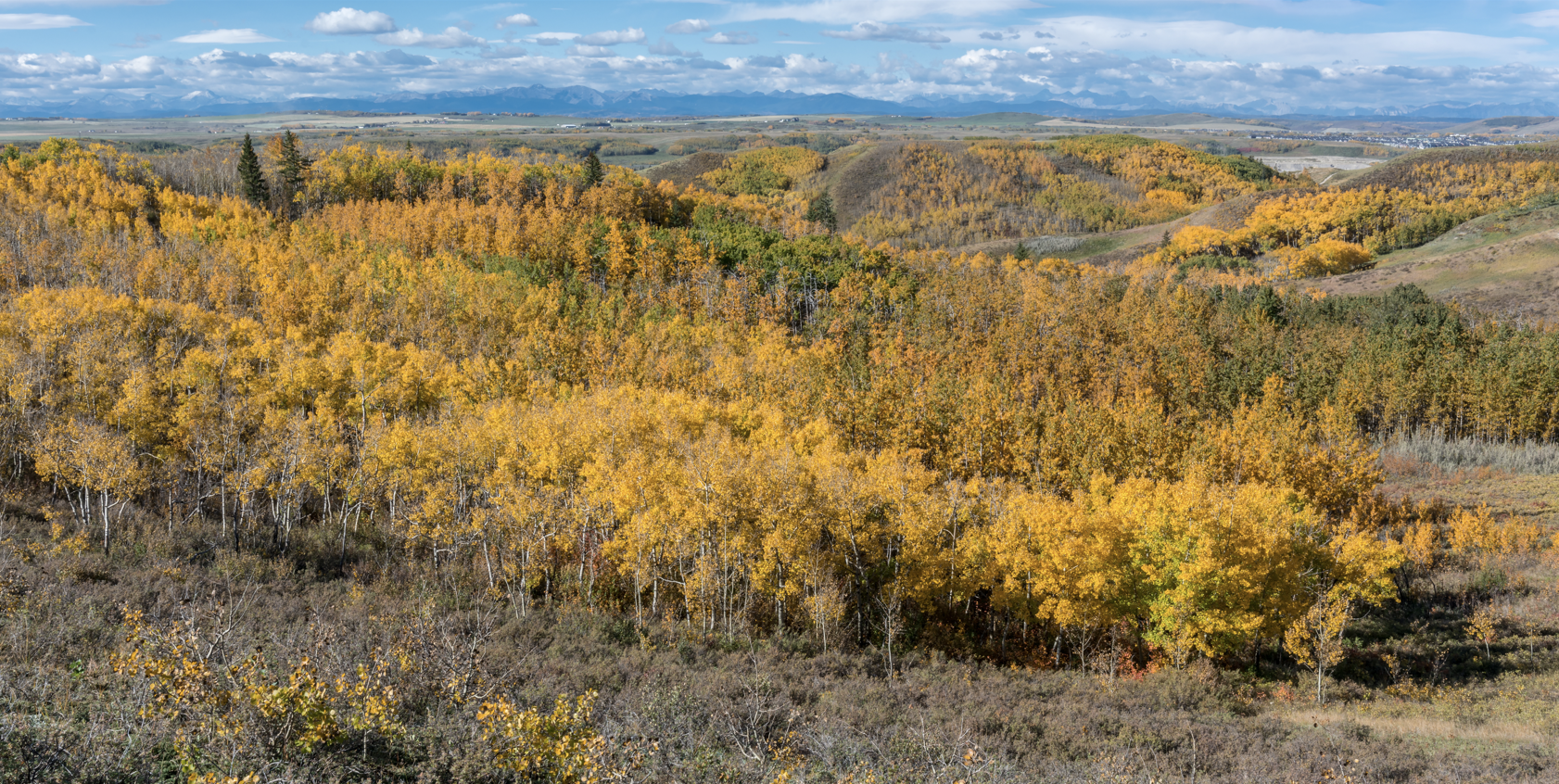
Restoring and connecting natural areas across Calgary Calgary's Ecological Network Project
The Calgary Ecological Network Conservation Framework Design and Implementation project is helping The City protect and restore natural areas. It is also helping us plan for better links between these spaces.
On this page, we call it the Calgary Ecological Network Project.
The project is funded through the Government of Canada’s Natural Infrastructure Fund. It includes citywide ecological planning, restoration and habitat management at select locations, and planning to improve ecological connections and access to nature in northeast Calgary.
What is an ecological network?
Calgary’s ecological network includes natural habitats, parks and open spaces, rivers and creeks, and other important natural areas.
These spaces are linked in many ways. Together, they:
- Provide habitat for wildlife and native plants.
- Help manage water and reduce erosion.
- Give people places to enjoy nature close to home.
Keeping these spaces healthy and connected helps nature thrive as Calgary grows.
Stay informed
Updates will be shared as work progresses across project sites.
Check back regularly for project news, site updates and restoration progress.
What does the project include?
The project includes work at select locations in the Bow River and Elbow River corridors. The sites were selected because they contain important habitat and offer ways to improve links between natural areas.
Work at participating sites may include:
- Managing invasive plants
- Planting and seeding native plants
- Restoring wildlife habitat
- Managing trails and access
- Protecting restored areas
- Sharing ways to learn about and care for natural areas
Each site has different needs. Together, the work will improve habitat, strengthen ecological links and support a healthier network of natural areas across Calgary.
The City will also use ecological planning to find ways to improve ecological links and access to nature.
Natural areas are living infrastructure
Natural areas are an important part of Calgary’s infrastructure.
Like roads, pathways and utilities, they need regular care and investment. Healthy natural areas support wildlife and native plants, and provide habitat for wildlife and native plants. They also help manage water, reduce erosion and give people places to enjoy nature.
Natural areas face pressures from invasive plants, erosion, damaged habitat, informal trails and heavy use. Taking action early can help prevent larger and more costly problems.
What you may notice
Work and timing will be different at each site.
Depending on the location, you may see:
- Native planting and seeding
- Invasive plant management
- Habitat restoration
- New signs
- Trail or access changes
- Fences or barriers around restored areas
Some work may look messy or cause short-term changes. These steps help protect the sites while plants grow and natural areas recover.
Project locations
The project includes work at select locations.
Beaver Dam Flats
About this site
Beaver Dam Flats is an important natural area along the Bow River. Its slopes, floodplain, forests, shrublands and grasslands provide important habitat for native plants, birds, pollinators and other wildlife. The area also helps connect natural spaces along the river and has been shaped by past industrial use, recreation and erosion. This project builds on restoration completed between 2022 and 2024; work will help control invasive plants and enhance biodiversity.
What you may notice
Work will begin with invasive plant control. Crews will use a mix of cutting, hand removal and targeted herbicide treatment. Native seed will be added in some treated and bare areas.
A restoration area near the north end of the park will be fenced to protect future planting. The area does not contain a trail. No trail closures are planned.
Visitors may notice:
- Crews cutting, pulling or treating invasive plants
- Native seeding
- Temporary fencing
- Signs near active work areas
Estimated timing
Fall 2026
- Mechanical and targeted chemical control of invasive plants.
- Control of smooth brome and common buckthorn.
- Native seeding in some treated and bare areas.
2027
- Continued invasive plant control.
- More native seeding.
- Native shrub planting.
- Fencing and signs around the planting area.
2028
- Follow-up invasive plant control.
- Native flowering plant installation.
- Watering, monitoring and maintenance.
Carburn Park
Additional information about this project will be available soon.
Douglasdale Natural Area
Additional information about this project will be available soon.
Edworthy Park
About this site
Edworthy Park’s upper escarpment contains forests and grasslands that provide habitat for native plants and wildlife. The area forms an important part of Calgary’s ecological network and helps wildlife move between natural spaces.
This project will restore approximately 3.89 hectares of habitat. The work will help manage invasive plants, restore native vegetation, reduce erosion and improve habitat connectivity.
What you may notice
Work will begin with invasive plant control and the closure and restoration of some informal trails. Crews will use a mix of removal methods and targeted herbicide treatment to manage invasive plants. Healthy native vegetation will be retained and enhanced.
Closing and restoring selected informal trails will help damaged vegetation recover, reduce erosion and protect the connections wildlife use to move through the area. Some informal trails may also cross steep or unstable terrain.
Visitors may notice:
- Crews removing or treating invasive plants
- Some informal trail closures
- Temporary fencing
- Signs near active work and restoration areas
- Short-term changes in the appearance of treated areas
Edworthy Park will remain open. Visitors can continue to explore the escarpment using the park’s official trail system and help habitat recover by respecting fencing, signs and closed areas.
Estimated timing
Fall 2026
- Mechanical and targeted chemical control of invasive plants.
- Closure and early restoration of selected informal trails.
- Temporary fencing and signs around restoration areas.
2027 - 2028
- Restoration work will continue in phases.
- Monitoring and maintenance of restoration areas.
- Follow-up work to support native vegetation and habitat recovery.
Glenmore Reservoir North
About this site
North Glenmore Park includes natural areas that support native plants and wildlife within a popular regional park. These spaces form part of Calgary’s ecological network and help connect habitat along the Glenmore Reservoir and Elbow River corridor. North Glenmore Park includes both developed recreation areas and natural areas, making thoughtful management important for balancing habitat health with park use.
This project will restore areas affected by invasive plants and informal trail use while supporting healthy native vegetation and sustainable access through the park.
What you may notice
Work will begin with invasive plant management and the closure and restoration of selected informal trails.
Barriers will be installed at closure locations, and crews will continue mechanical and targeted chemical control of invasive plants as conditions allow.
Visitors may notice:
- Crews removing or treating invasive plants.
- Selected informal trail closures.
- Barriers around closed routes and restoration areas.
Restoring informal trails will reduce ongoing damage to vegetation, help limit erosion and protect habitat within the park.
Estimated timing
Fall 2026
- Mechanical and targeted chemical control of invasive plants.
- Closure of selected informal trails.
- Installation of barriers at trail-closure locations.
2027-2028
- Continued invasive plant management.
- Decompaction and seeding of closed trails.
- Native seeding and planting.
- Continued restoration of selected informal trails.
- Monitoring and maintenance.
Weaselhead Park
About this site
Weaselhead Flats is a large natural area where the Elbow River enters the Glenmore Reservoir. Its forests, shrublands, grasslands and wetlands provide habitat for native plants and wildlife, including a rare grassland community found nowhere else in Calgary. The area is an important part of Calgary’s ecological network and supports wildlife movement through the Elbow River corridor.
This project will help protect healthy habitat, restore areas affected by invasive plants and informal trail use, and strengthen ecological connections throughout the Weaselhead.
What you may notice
Work will begin with invasive plant management and the closure of selected informal trails.
Barriers, including permanent and temporary fencing, will be installed at closure locations to protect recovering habitat. Crews will also continue mechanical and targeted chemical control of invasive plants as conditions allow.
Visitors may notice:
- Crews removing or treating invasive plants.
- Selected informal trail closures.
- Barriers around closed trails and restoration areas.
Informal trails can damage vegetation, spread invasive plants and fragment wildlife habitat. Restoring selected routes will give damaged areas an opportunity to recover and help protect the habitat wildlife use to move through the area.
Weaselhead Flats will remain open. Visitors can help by using official trails and respecting barriers and closed restoration areas.
Estimated timing
Fall 2026
- Mechanical and targeted chemical control of invasive plants.
- Closure of selected informal trails.
- Installation of barriers at trail-closure locations.
2027-2028
- Continued invasive plant management.
- Decompaction and seeding of closed trails.
- Native seeding and planting.
- Continued habitat and informal trail restoration.
- Monitoring and maintenance.
Frequently Asked Questions (FAQs)
Why is vegetation being removed?
Some sites have invasive plants or unhealthy vegetation that can harm native plants and wildlife habitat.
Removing this vegetation gives native plants more space to grow. Native planting or seeding may follow.
Why are some trails being closed or restored?
Not all trails are part of Calgary's official trail network. Some informal trails develop over time through repeated use, often in sensitive natural areas. While they may seem harmless, these routes can damage vegetation, increase erosion, spread invasive plants and disturb wildlife habitat. In some locations, they can also create safety concerns by crossing steep or unstable terrain.
Closing and restoring select informal trails gives damaged areas an opportunity to recover and helps maintain the connections wildlife use to move between natural spaces. These closures are part of a broader citywide effort to protect and strengthen Calgary's ecological network while supporting access to nature through designated, sustainable trails.
Visitors can help by using official trails and respecting signs, barriers and restoration areas. Even small changes in trail use can make a meaningful difference in helping habitat recover over time.
Why are there fences or barriers?
Fences and barriers protect restored areas while plants grow and the land recovers.
Please follow signs and stay outside closed areas. This helps give restoration work the best chance to succeed.
Why does restoration work sometimes look messy?
Restoration takes time. During the work, you may see bare soil, cut plants, fencing or newly planted areas.
These changes are often temporary. They are part of helping the natural area recover and become healthier over time.
Why are invasive plants being managed?
Invasive plants can spread quickly and crowd out native plants. This can reduce the variety of plants and wildlife a natural area can support.
The type of work used will depend on the plant, the location and the needs of the site.
Why isn’t work happening in my local park?
This project includes select locations funded through the Government of Canada’s Natural Infrastructure Fund.
The City also cares for natural areas across Calgary. What we learn through this project can help guide future planning and restoration work.
