

Ogden Sanitary Siphon Replacement
UPGRADING OUR WATER SYSTEMS FOR GROWTH Ogden Sanitary Siphon Replacement
Replacing aging wastewater infrastructure for reliability.
Project overview
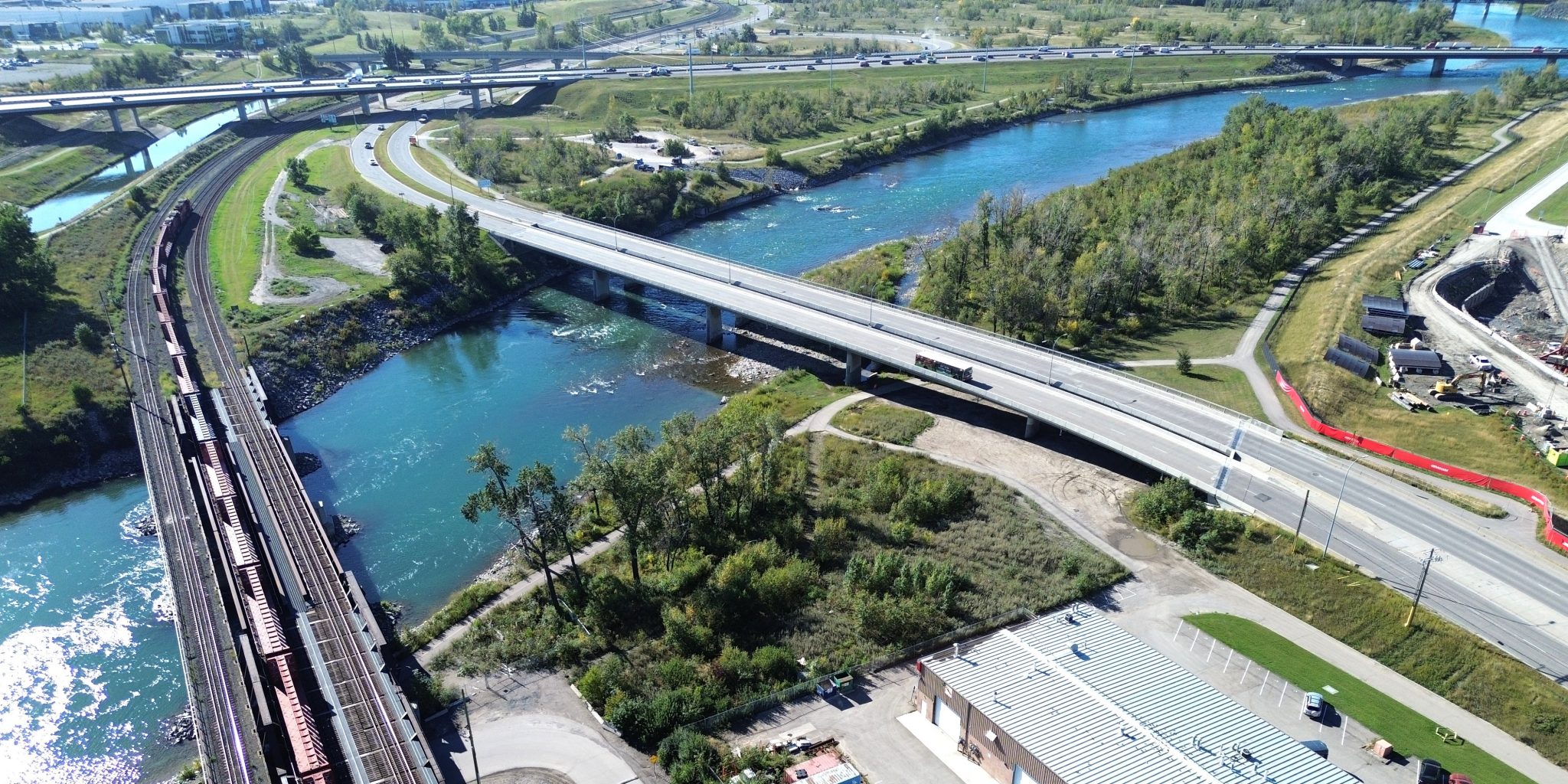
The Ogden Sanitary Siphon Replacement consists of the replacement of an older, 850 mm diameter wastewater siphon that crosses the Bow River and enters the Bonnybrook Wastewater Treatment Plant. The replacement and upgrade includes two new siphons to support future growth in the area. This project became necessary due to a wastewater leak in spring 2025. The City acted quickly to isolate the issue, and a temporary bypass line was installed in May-June 2025. By replacing the existing pipe, we are ensuring its future reliability.
Community benefits
-
Reduced wastewater releases
Wastewater leaks are hazardous to human health and the environment. Preventing them is important.
-
Proactively addresses future growth
Increasing capacity now means future growth can be accommodated.
-
A more resilient wastewater system
Building new pipes and expanding capacity now means we are better prepared to manage future issues.


Project location
Ward: 9
Nearby Community: Alyth/Bonnybrook
Project phase
Latest updates
Project design is ongoing. The temporary bypass line remains in place on Ogden Road S.E. and will remain in place through construction.
Frequently asked questions
Is there a risk of another wastewater leak before this project is completed?
With the bypass in place, the old system is not currently running. The three other wastewater pipes leading to the Bonnybrook plant are designed to support each other in events such as this. When complete, the replacement and upgrade will include two new siphons that will support future growth in the area and provide redundancy.
While some typical risk exists with the bypass line, such as accidental damage, it was winterized last fall and is functioning as planned.
Why replace the pipe rather than fix the existing one?
Upon examination of the existing pipe that was constructed in 1972, it was determined that the initial repair approach was not suitable for the type of break, which means repair is not an option. By replacing the pipe outright, we are ensuring its reliability well into the future.
How long will the bypass system be in place?
The bypass will remain in place while a replacement is built. Construction is anticipated to begin in Spring 2027 continue through 2028.
Contact
- Email: ogden.siphon@calgary.ca
- Submit a 311 service request online
- Call 311
Nearby projects
-
Helping prevent flooding along Bow Bottom Trail and nearby homes by adding stormwater storage, reducing the risk of road closures, property damage and basement flooding during heavy rain.
-
Phase 1 of the Green Line LRT, from Shepard in the southeast to Downtown, has been approved.