

Building safer routes to school

Back to school means more children walking, wheeling, biking and crossing streets on their way to and from class.
Across Calgary, students and families are returning to busy school-day routines. Streets, pathways and school areas become more active, especially during drop-off and pick-up times. Whether you're driving, walking, cycling or rolling, the choices you make can help keep children safe.
This year, The City has completed safety upgrades at 50 schools across Calgary, including new pedestrian crossings, curb extensions, speed tables and other traffic-calming measures designed to improve visibility and slow traffic where children are most likely to be present.
Kids deserve to get to school safely. Your driving choices matter.

Building safer routes to school
Creating safer journeys for students is about more than reminding people to be careful. It's also about designing streets that help people make safer choices.
Recent improvements around schools include:
- New curb extensions that shorten crossing distances and improve visibility.
- Enhanced pedestrian crossings at select locations.
- New rectangular rapid flashing beacons (RRFBs) to alert drivers when people are crossing.
- Speed humps and speed cushions installed near schools and in surrounding neighbourhoods to help reduce vehicle speeds.
These improvements support Vision Zero and help create safer, more predictable environments for everyone using Calgary's streets.
Slow down and stay focused
Back-to-school travel times can feel rushed. More people are driving, walking and wheeling at the same time, often in busy areas around schools.
The good news is school areas are already among Calgary's safest roadways. Lower speeds, increased awareness and safety improvements are making a difference. The safest thing you can do is help build on that success by slowing down and paying attention.
When driving near schools:
- Expect more children walking, wheeling and biking.
- Plan extra time for trips so you don't feel rushed.
- Watch carefully at crossings and intersections.
- Put distractions away and stay focused on the road.
- Be prepared for sudden stops and unexpected movements.
Remember, children don't perceive traffic the same way adults do and may act unpredictably. Extra caution helps prevent serious injuries.

Playground zones protect children
Playground zones are in place to help protect children where they learn and play.
When driving through a playground zone:
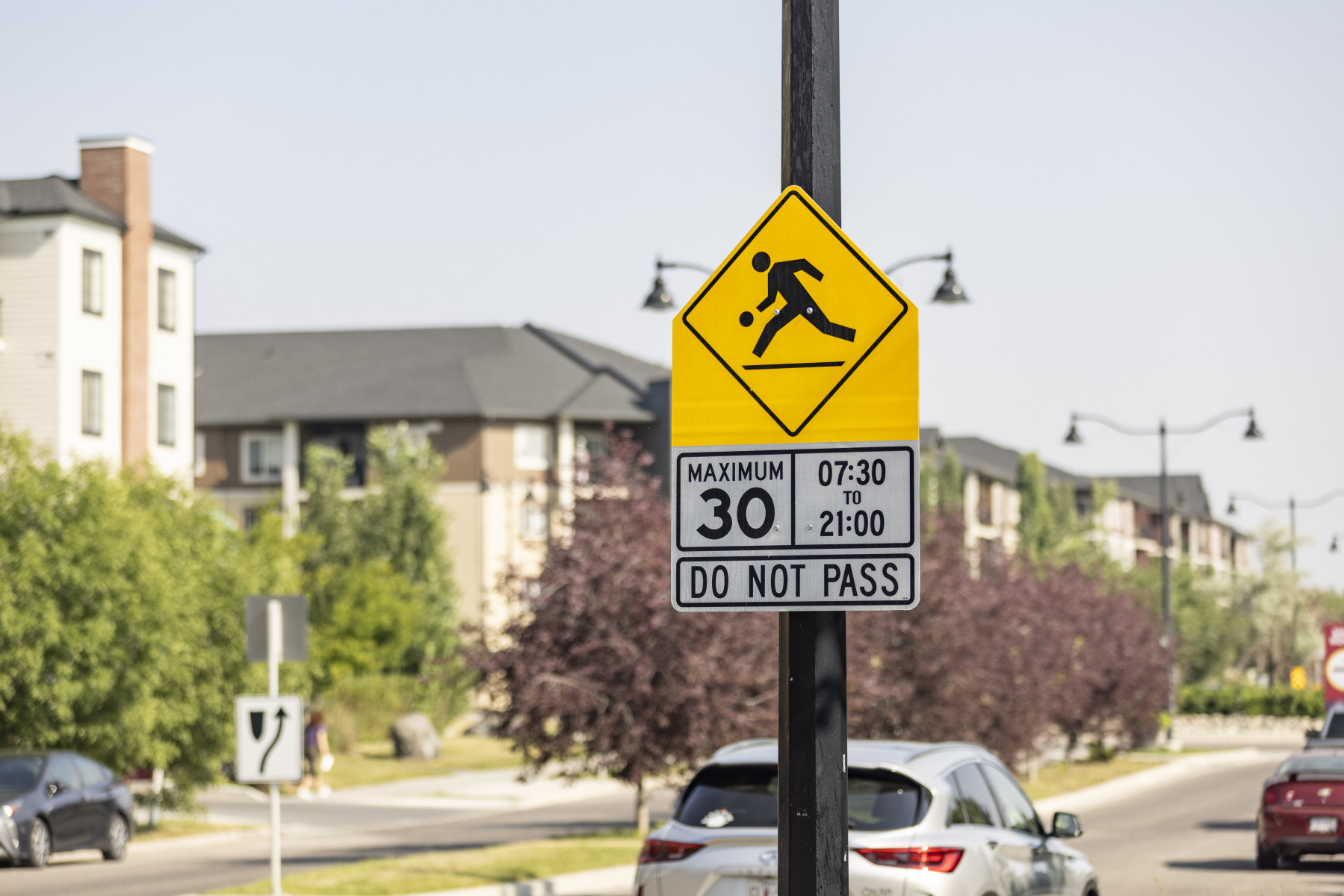
- The maximum speed is 30 km/h.
- Playground zones are in effect from 7:30 a.m. to 9 p.m. every day of the year.
- Watch for children entering roads, pathways and crosswalks.
- Do not pass another vehicle or person cycling within the playground zone during zone hours.
Lower speeds give drivers more time to react and reduce the risk of severe injuries when collisions occur.
Park smart
School drop-off and pick-up times can create congestion around school entrances. Choosing where and how you park can make a big difference.
To help keep students safe:
- Follow your school's designated pick-up and drop-off procedures.
- Do not double park.
- Keep crosswalks and intersections clear.
- Park at least five metres away from crosswalks.
- Pay attention to Hug & Go zones, loading zones and other posted signs.
- Consider parking a block or two away and walking the rest of the trip.
Children need to be able to see traffic, and drivers need to be able to see them. Illegal parking, blocked sightlines and vehicles stopped in crosswalks put children at risk.
Learn more about safe parking around schools on the Calgary Parking website.

Consider walking or wheeling
Walking or wheeling to school, even for part of the journey, helps reduce congestion around schools and can make drop-off and pick-up times safer for everyone.
Choosing active transportation can:
- Reduce conflicts between vehicles and pedestrians.
- Help create calmer school-area streets.
- Support healthy lifestyles for children and families.
- Reduce emissions and contribute to cleaner, healthier communities.
Parking a few blocks away and walking for the rest of the trip is another simple way to reduce traffic and improve safety around schools.
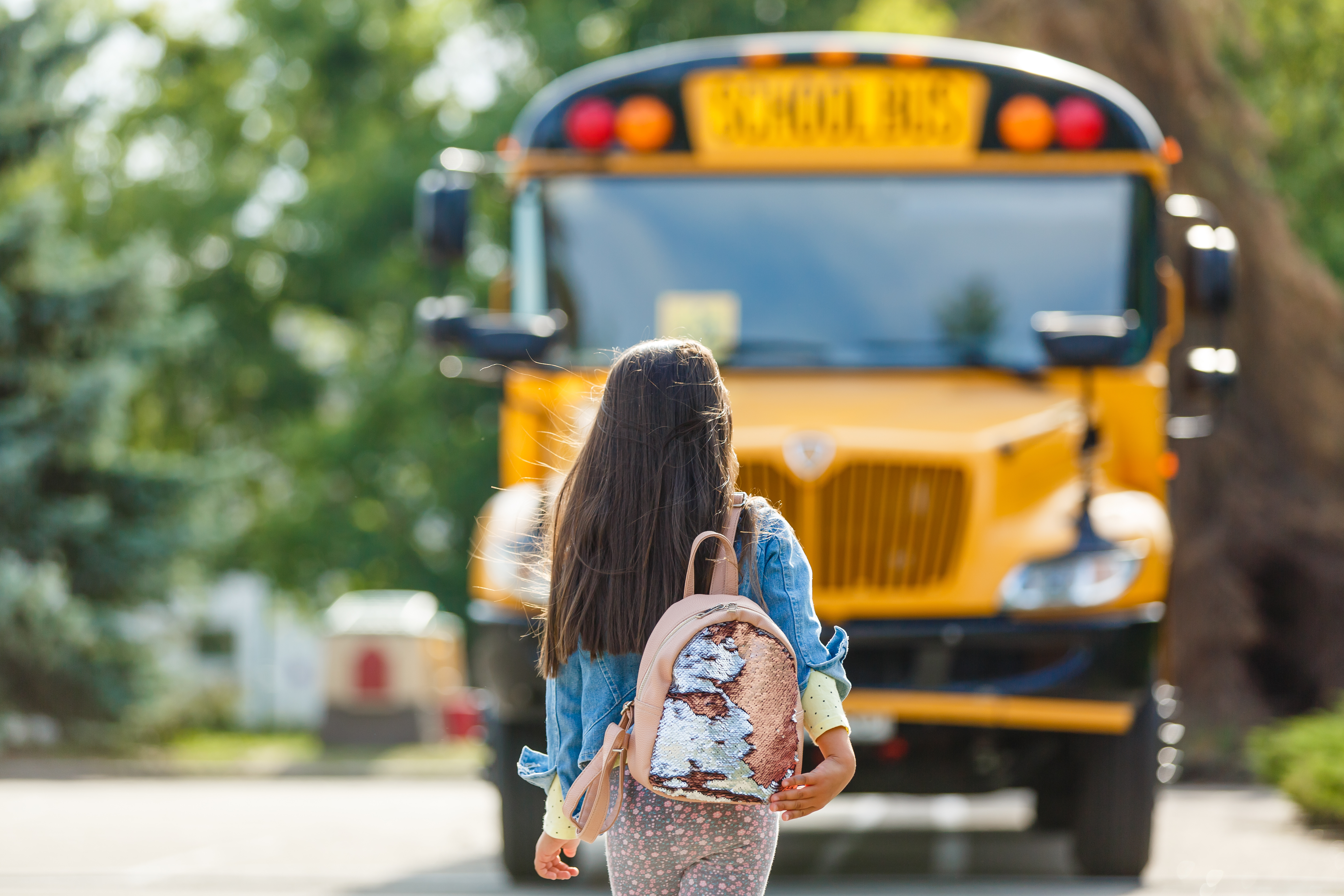
Watch for school buses
School buses play an important role in getting students safely to and from school. When approaching a stopped school bus, always watch for children nearby and be prepared to stop.
- Amber flashing lights mean the bus is slowing down or preparing to stop. Proceed with caution and watch carefully for children.
- Red flashing lights are generally used in rural areas when children are loading or unloading. When red lights are flashing, drivers must stop unless they are on the opposite side of a divided roadway.
We all play a role
Safe routes to school are created through a combination of education, enforcement, road design and personal responsibility. The City's investments in crossings, traffic calming and other safety improvements help reduce risk, but infrastructure is only part of the solution.
Whether you're driving, walking, cycling or rolling, every choice matters.