

Prince's Island Park Lagoon
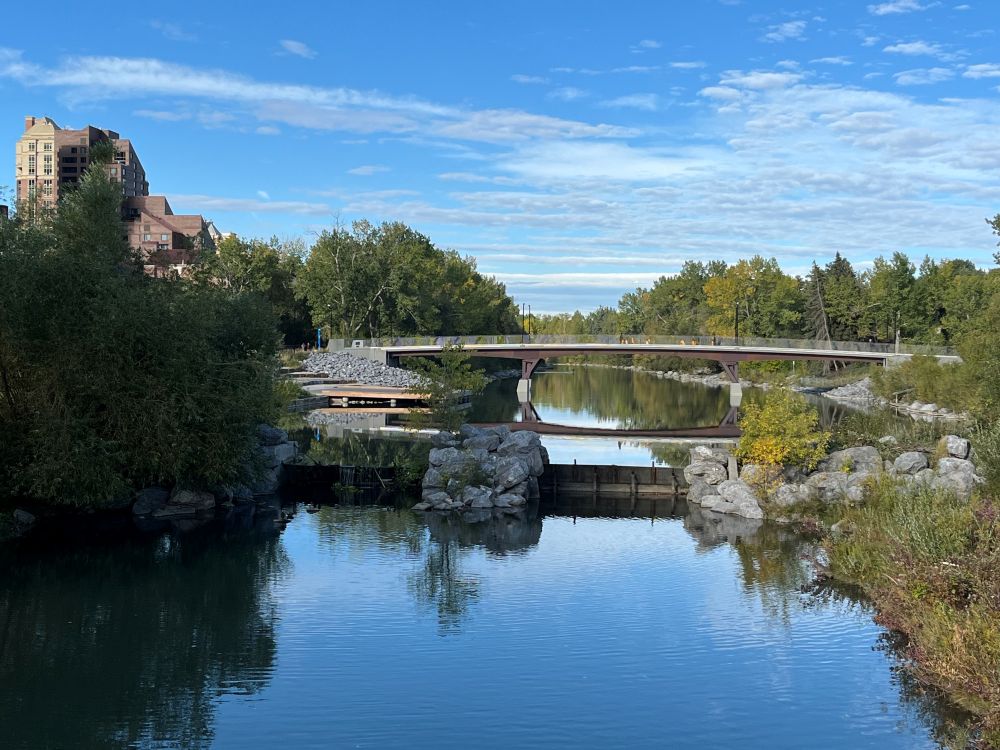
How an outdoor rink comes to life Prince's Island Park Lagoon
Creating an outdoor skating rink is part science, part art and completely weather dependent. Every winter, Parks crews monitor temperatures, build ice layer by layer and perform ongoing maintenance to create safe skating conditions across the city.
Prince's Island Park lagoon is one of Calgary's most unique skating destinations. Here is a behind-the-scenes look at what it takes to build and maintain outdoor ice.
Step 1: Summer planning
Planning begins in July
While winter may seem far away, planning for skating season begins in the summer. Starting in July, Parks teams begin coordinating the work required to prepare the Prince's Island Park Lagoon for winter operations.
As fall approaches, crews review staffing plans, equipment needs, and any improvements or changes that may be made to the skating area. Multiple teams work together to prepare for another successful skating season.
Step 2: Preparing the site
Getting the lagoon ready for winter
In late September, crews begin preparing the lagoon for ice-making.
Unlike many outdoor skating lagoons, Prince's Island Park Lagoon can be drained using a system of water-control structures. As water levels are lowered, crews inspect infrastructure, prepare equipment, and get the site ready for ice construction.
This preparation is important because the lagoon does not function like a typical frozen pond. Instead, it freezes from the ground up, allowing crews greater control over how the skating surface is built and maintained.
Equipment used during this stage includes water-control infrastructure, hoses, water trailers, ice drills, snow-clearing equipment and a variety of maintenance tools that will be needed throughout the season.
Step 3: Watching the weather
Why temperatures matter
Weather is the single biggest factor in determining when ice-making can begin.
Before crews start flooding, they look for sustained temperatures below -10°C. Consistently cold weather allows each layer of water to freeze properly to build a strong foundation for the skating surface.
Warm spells, Chinooks, and heavy snowfall can all slow the process. Snow acts like an insulating blanket, preventing ice from freezing efficiently underneath. A single warm spell can undo days of progress and force crews to wait for colder conditions before continuing.
This is why crews cannot simply start building earlier. Even with preparation complete, nature determines when conditions are right.
Step 4: Building the ice
Creating the skating surface layer by layer
One of the biggest misconceptions about outdoor rinks is that crews flood the surface once and walk away.
In reality, the ice is built through many thin layers of water. Each layer must freeze completely before the next one can be added. Applying too much water at once can create bubbles, weak ice and an uneven skating surface.
At Prince's Island Park, crews use several methods to build and maintain the ice:
- Small amounts of river water are used to establish the base ice.
- Dechlorinated water is applied through hoses to improve the skating surface.
- Water trailers help crews reach areas that are difficult to access with hoses.
The number of layers required varies from year to year depending on weather conditions. Building safe, high-quality ice takes patience and careful monitoring throughout the entire process.
Step 5: Safety checks
Making sure the ice is ready
Before the rink can open, crews need to confirm that ice thickness is safe across the entire skating surface.
Ice conditions are checked daily using specialized ice drills. Because thickness can vary from one area to another, multiple locations are tested throughout the lagoon.
As a general guideline:
- 3 inches of ice is needed before people can safely walk on the surface.
- 5 inches of ice is needed before certain maintenance equipment can be used.
- 8 inches of ice is needed before larger equipment can safely operate on the lagoon.
Opening day isn't determined by how frozen the ice looks. It depends on measured ice thickness, weather conditions, and ongoing safety assessments performed by Parks staff.
Step 6: Ongoing maintenance
The work continues after opening day
Once the rink opens, the work is far from over.
Crews continue monitoring ice conditions, measuring thickness, clearing snow, repairing damaged areas, and flooding the surface whenever weather conditions allow.
Because natural ice changes constantly, maintenance happens throughout the season. Early mornings, evenings, weekends, and holidays often become opportunities to improve skating conditions when temperatures are favourable.
Around 50 Parks staff may contribute to the skating lagoon throughout the winter, including superintendents, foremen, equipment operators, gardeners, labourers, electrical crews, programming staff, and other support teams.
Their efforts help keep the rink safe, enjoyable, and open for as long as weather conditions allow.
Location: 4 St. and 1 Ave. S.W.
Hours: 5 a.m. - 11 p.m.
Park features status
- Skating rink: 5 a.m. to 11 p.m.
- Crokicurl: 10 a.m. to 8:30 p.m.
| Feature | Status | Details | Updated |
|---|---|---|---|
| Outdoor Skating Rink | 23 days ago | ||
| Cross-country Ski Trails | 5 months ago | ||
| Crokicurl | 23 days ago |
Did You Know?
Fun facts about the Prince's Island Park Lagoon:
- Prince's Island Park Lagoon is not a typical frozen pond. The lagoon is drained each fall and the skating surface is built from the ground up.
- Snow doesn't help a skating rink freeze. In fact, fresh snow insulates the ice and can slow down ice growth.
- One warm Chinook can undo days of ice-making work.
- Ice thickness is tested every day during the skating season. Hundreds of staff hours go into planning, building, maintaining, and supporting the skating lagoon each winter.
- Last year marked the earliest opening of the Prince's Island Park Lagoon skating rink on record, opening on November 30.
- A new accessible access ramp will allow visitors to reach the ice surface from the south side of the lagoon at the Eau Claire Plaza dock, making it easier for people using mobility aids, wheelchairs and strollers to enjoy the rink.
Frequently asked questions
Why can't crews just flood the lagoon earlier?
Ice-making can only begin when temperatures remain consistently below -10°C. Flooding too early can waste time, water, and effort if the ice melts before it can properly freeze.
How long does it take to build the rink?
Every season is different. The timeline depends entirely on weather conditions, including temperature, snowfall, and Chinook activity.
Why isn't snow good for making ice?
Snow acts as an insulator. Instead of helping ice grow, it prevents cold air from reaching the ice surface and slows the freezing process.
What can delay opening day?
Warm weather, Chinooks, significant snowfalls, and damage to the ice surface can all delay opening.
How often is the ice checked?
Crews measure ice thickness daily throughout the season to monitor conditions and guide maintenance activities.
-
Calgary Parks
There are numerous community and public parks in Calgary to explore.
-
Contact us
Need additional information on our parks and activities? Want to request maintenance?