

Water leaks and basic repairs
When it comes to residential and household leaks, toilets and faucets are the most common culprits, although any water using device can eventually leak.
Learn more about how much water an average person uses and find tips for saving water and money in your home. Visit Saving Water in Your Home.
Together we can make every drop count by using water wisely and checking for water leaks.
Did you know?
- When checking for leaks, a good rule of thumb is to compare the reading on the meter with the reading on the bill twice a year to make sure there isn’t a discrepancy in water usage.
- If no water is being used in your home but the water meter register (dial) is moving, then there is likely a leak in your house.
- A slow leak that takes a minute to fill a 500ml pop bottle can add over twenty cubic meters a month of water usage, in addition to your regular water use.
How to check for leaks
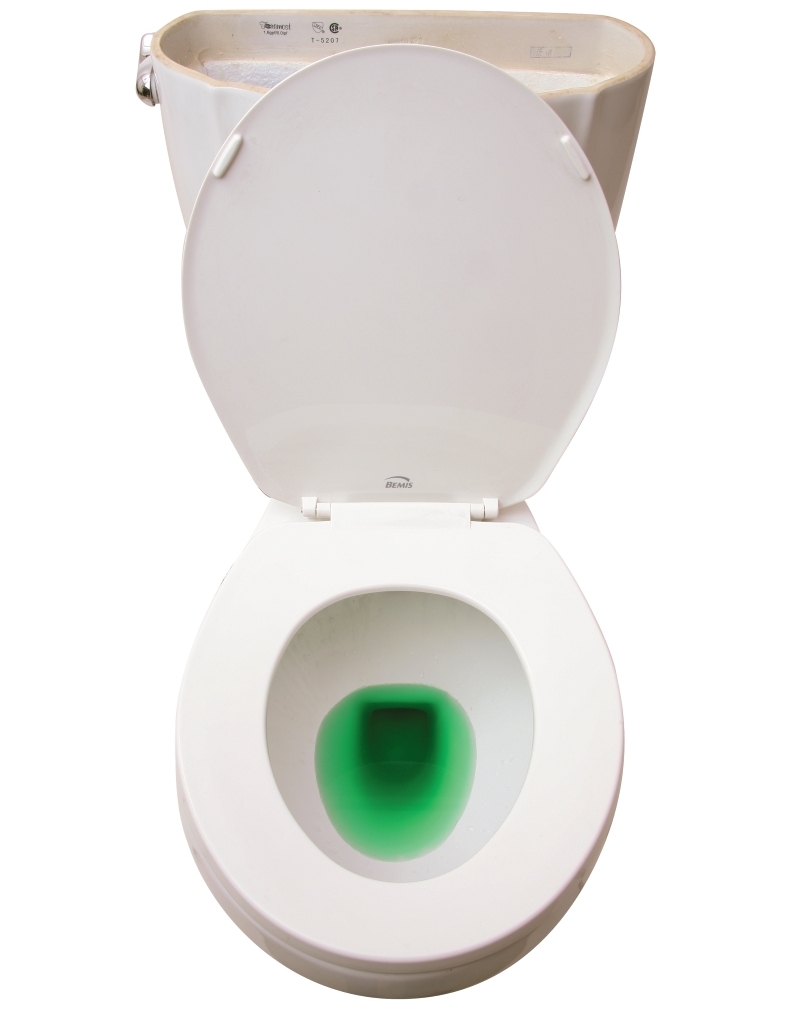
Most leaks are silent, which means you may not see evidence like a large puddle. Make sure to check for leaks – indoor and outside – every six months.
Toilets are the number one source of residential water leaks. If you suspect your toilet may be leaking, take the Leaky Toilet Test:
- Drop - Put drops of food colouring into the toilet tank and wait 10 minutes.
- Peek - Look in the bowl. If the water changes colour, you've got a leak.
- Repair - If the water changes, your toilet is leaking and needs repair.
- Save - By repairing just one toilet, you will save water and money.
Listening to the toilet can also reveal a leak, as it will make a higher pitched whining noise. Removing the lid and looking inside can also help find common problems.
Other places to check for a leak include:
- Irrigation systems (usually seasonal)
- Humidifier valves
- Taps and outside hose bibs
Learn more about how much water an average person uses and find tips for saving water and money in your home.
Homeowner Water Guide
Discover a library of tips and tools for creating a water-efficient home. Visit our Homeowner Water Guide.
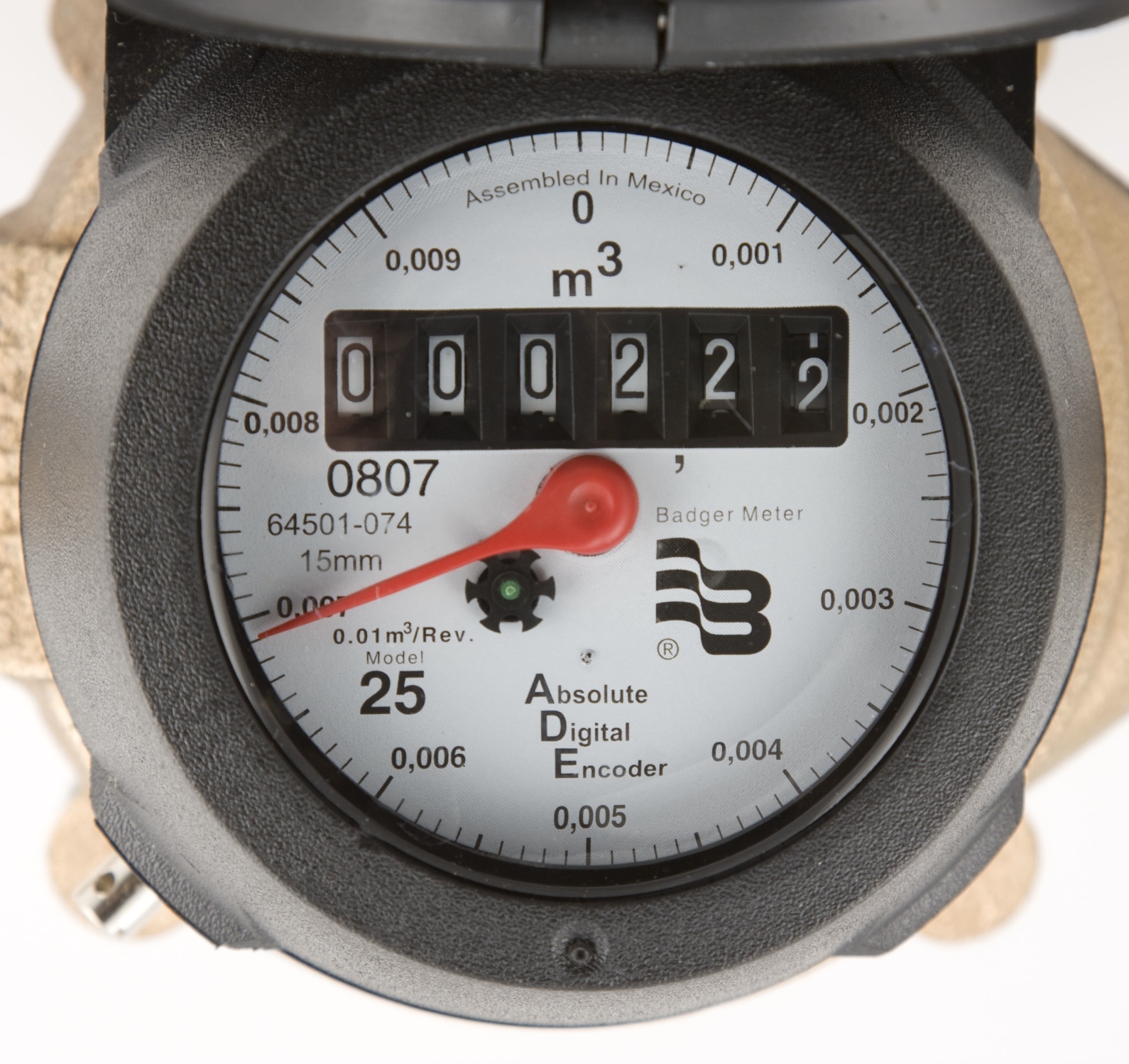
Use your water meter to check for leaks. In Calgary most water meters are installed inside the house where the water pipe enters your home. This is usually in the basement, near your main water shut-off valve.
- Turn off all taps and water appliances (dishwashers, washing machines).
- Watch the flow register on the face of the meter. The register could look like a gear (round or triangular, black or red) or a needle depending on the model of meter you have.
- If it keeps turning, you have a leak somewhere in your house.
- Check all water devices, such as taps, humidifier, irrigation system, hot water heater and water softener.
What to do when you find a leak?
- Follow our toilet repair or faucet repair steps if those devices are the issue.
- Visit a hardware store for repair tips and parts.
- Search for related YouTube videos or how-to books with detailed instructions.
If you aren’t able to fix the leak yourself, or have trouble finding the leak, hiring a professional plumber is the best solution.