

What to do during a Summer storm
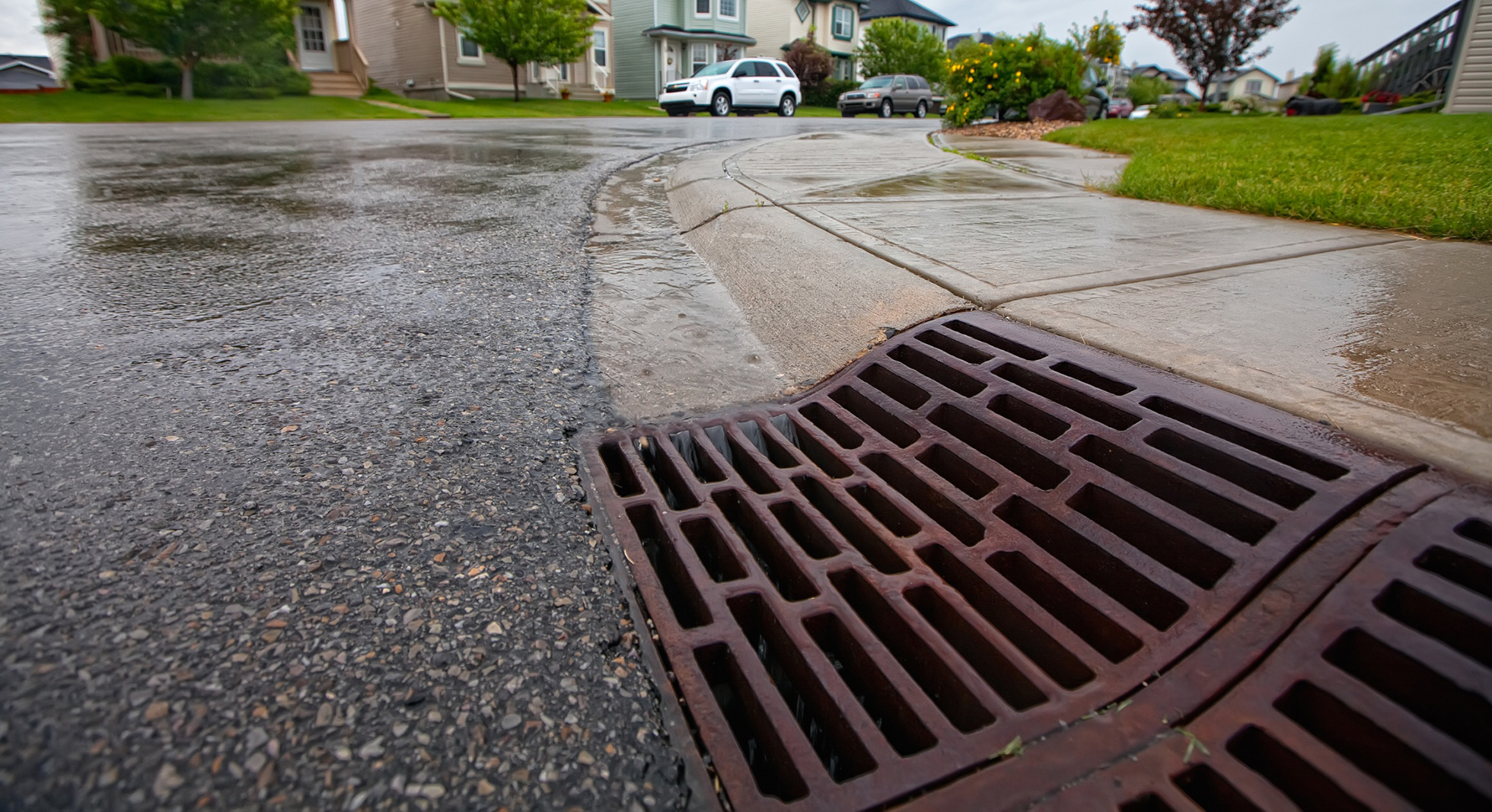
Summer storms
Summer storms are weather systems that can develop quickly and with little warning. They typically develop due to heat, moisture and unstable air and can include thunderstorms, strong winds, tornadoes, flash flooding, hail, dangerous lightning - all of which pose risks to property and people.
How to prepare
- Seek shelter indoors and continue to monitor weather conditions.
- Review your insurance coverage and understand what is covered under your policy. Contact your provider with any questions.
- Secure all loose items on your property and balcony that might be blown around to prevent flying objects from injuring people and damaging property.
- Trim branches and cut down dead trees to reduce the danger of them falling during a storm.
- Clean gutters, drains and downpipes and make sure your roof is in good repair.
- Move your vehicle into the garage, and shelter pets.
- Download the WeatherCAN and Alberta Emergency Alert apps and sign up to receive alerts for your area.
- Put together an emergency kit for your home with essential supplies such as non-perishable food, water, batteries, flashlights, and other items in case of an emergency.
- Create an emergency action plan for your household. Be sure to include your pets in your plan.

What to do during
- If you see signs that a storm is approaching, go indoors immediately and shelter-in-place. The safest place during a thunderstorm is inside a fully enclosed building.
- Find a space away from windows or glass doors and stay clear of fireplaces.
- If the storm causes a power outage, turn off all appliances and do not use generators indoors.
- Avoid driving. If you are in a vehicle during a windstorm, park away from trees or power lines and avoid the base of steep or unstable slopes and low areas prone to flooding. Stay inside the car.
- If you're outside and there isn’t a sturdy shelter nearby, get into a metal-roofed vehicle and close all windows.
- If you’re caught outside during a storm, avoid high ground, isolated trees, telephone poles, picnic shelters, and open spaces to reduce the risk of lightning strikes. Take shelter in a low-lying area - be cautious of pooling water or flooding.
- Stay away from tall objects such as trees, poles, wires and fences.
- If you're driving when a thunderstorm hits, do not seek shelter under an overpass. This can cause traffic congestion and increase the risk of collisions or block emergency responders. Instead, drive slowly with the flow of traffic, exit the highway safely, and pull over in a secure location to wait out the storm.
- If you're in water, get to shore as quickly as possible - lightning can travel far beyond its point of contact in water.
- Once you’re in a safe location, you can calculate the distance of the lightning strike. After the flash, count off the seconds until the thunder is heard. Divide the seconds by three to arrive at the distance in kilometers.
Example: 15 seconds / 3 = 5 km away. - Stay inside a safe location until 30 minutes after the last rumble of thunder.

What to do after
- Inspect any damage that may have occurred to your property, take photos of the damage and contact your insurance provider as soon as possible to begin the claims process if necessary.
- Stay away from downed power lines and cables. Learn more about what to do if you see a downed power line.
- Check in on friends, neighbours and family if safe to do so.
- Pick up debris scattered by the wind.
Related links