

About off-site levies
Calgary is growing very quickly with record growth and housing starts. Off-site levies help pay for new infrastructure to support a growing city and allowing growth to pay for its portion of growth.
The infrastructure provides 10 home and business essential services for Calgarians:
How off-site levies support growth
Calgary is growing fast, and with that growth comes the need for more infrastructure - things like roads, water systems, emergency services and libraries. The City collects off-site levies from developers to help cover these costs.
These levies are a way for developers to help pay for the new infrastructure their projects need. This helps reduce the financial pressure on Calgarians.
Examples of projects off-site levies could help fund include:
- New fire stations, libraries and recreation centres
- Roads to connect new communities with the rest of Calgary
- Buses for public transit
- Wastewater connections for flushing toilets and draining snow melt
The off-site levies collected help to fund home and business essentials that allow new communities to grow and become complete communities. Without these charges, The City would have to pay for growth-related costs from property taxes, utility rates or grants from other governments.
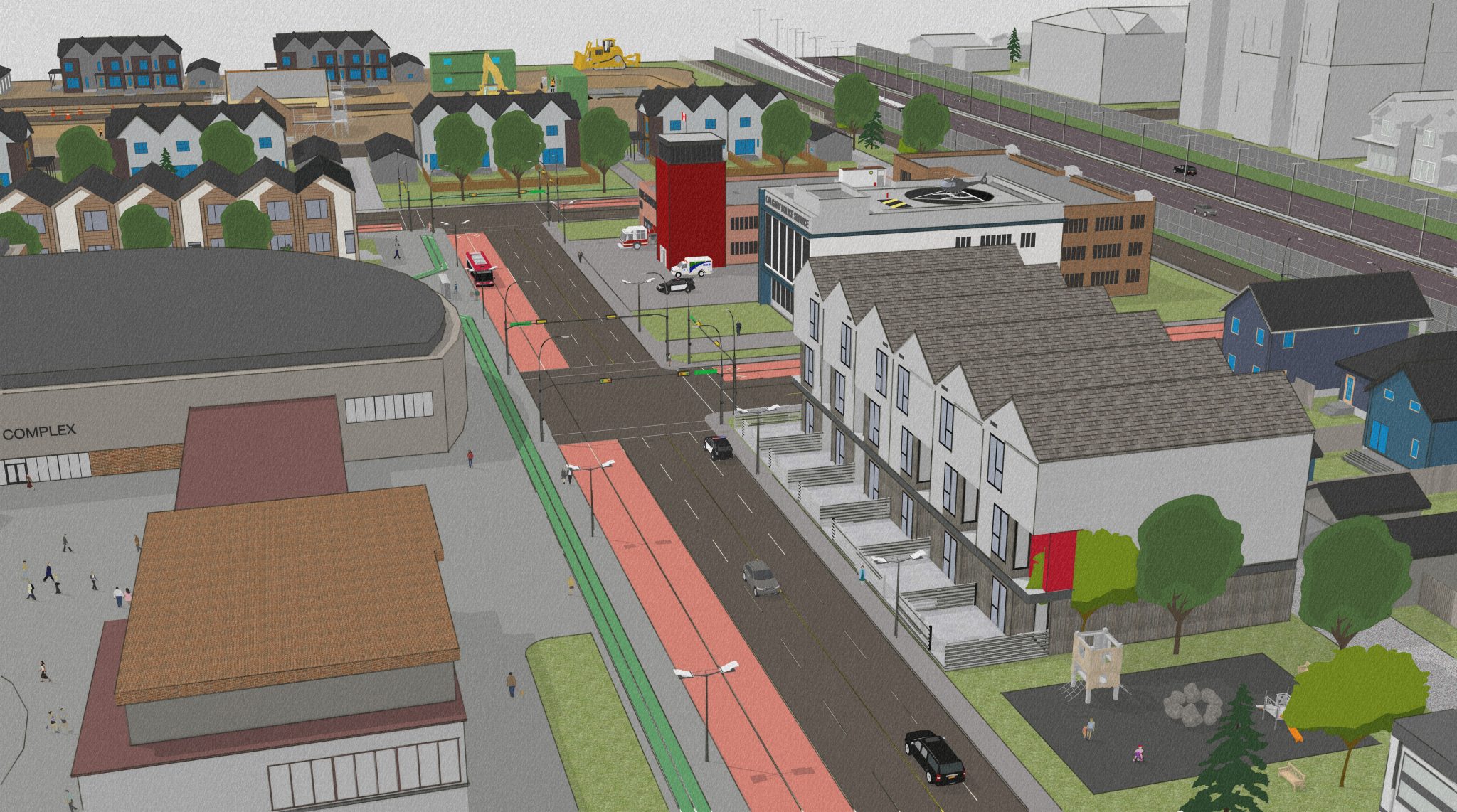
There are two main levy programs
-
Off-site Levies Program
Supports infrastructure in new (greenfield) and existing (established) communities. In new areas, levies help pay for everything from roads to recreation centres. In established areas, they focus on water and wastewater treatment upgrades.
-
Helps fund improvements to utilities and public spaces in downtown Calgary, making it a better place to live, work, and visit.
By using these levies, The City ensures that growth pays for its portion of growth—so Calgarians can enjoy services and vibrant communities without bearing all the costs themselves.
Timeline of levy collection

none
Category Icon and Label
1. Plan new community
Start Date | End DatePlanning starts 30 years before development
Policy, City budget, Growth strategy, Outline plans
- Long-term plans and policies
- 15 to 30 years before construction
- Purchased land for infrastructure
- Takes place anywhere between 15 years before construction to 10 years after construction
- Planning approvals
- 3-5 years before construction
- Identifying growth-related projects
- Monitor where growth is occurring
- City Budget

none
Category Icon and Label
2. Service new community
Start Date | End DateThe City builds some infrastructure before construction of the community starts
Subdivision, Infrastructure, Development, Construction
- Some infrastructure is built before construction of a community starts, or early in its construction. Examples include:
- Water utility infrastructure
- Roads
- Fire stations

none
Category Icon and Label
3. Complete new community
Start Date | End DateAdditional infrastructure is built after residents move in
Occupancy, Post-occupancy
- Examples of infrastructure built after a community is complete:
- Pedestrian bridges
- Bus rapid transit routes
- Libraries
- Recreation centres
- Police district stations
What do levies pay for?
The off-site levies collected fund projects that benefit the whole of Calgary. Without these charges, The City would have to pay for growth–related costs from property taxes or another source of revenue.
Off-site levies fund:
- Clean and safe drinking water
- Toilets that flush, and sinks that drain, coupled with downstream solid waste treatment services
- Roads and bridges so you can drive to and from work/home
- Pathways and bikeways for active mobility
- Transit buses and BRT infrastructure
- Standard 12m buses used for fixed route services
- Libraries
- Recreation amenities
- Fire protection facilities
- Police protection facilities
- Storm drainage to remove rain and snow melt
Off-site levies don't fund:
- Functional planning studies
- Light Rail Transit
- On-demand service
- Bus maintenance facilities
- Articulated and/or shuttle buses
- Transit operator washrooms
- Projects deferred pending future growth approvals
- Major construction along corridors that are downstream of growth
- Operational Workplace Centres (OWCs)
Off-site levies documents
View the Off-site Levies Bylaw and Backgrounder Report.
Frequently asked questions
What is the Off-site Levies Bylaw?
Off-site levies help us fund home and business essentials, so we can continue building a vibrant city.
Who pays the levy?
Those that want to develop land in the Greenfield Area enter into development agreements. In addition, developments in the Established Area contribute to the treatment plant levy based on the incremental change in equivalent population at the development permit stage.
Why are there two different off-site levies programs (off-site levies and centre city levy) instead of having all areas of the city under one levy program?
The nature and the size of the required infrastructure is different. These differences require unique estimates, calculations and rates, specific to infrastructure types and location.