

Bearspaw South Feeder Main update
What you need to know
Starting November 4, city-wide Stage 4 water restrictions will be in effect. No outdoor water use will be permitted during this time.
We're also urging Calgarians to reduce their indoor water use.
This fall, we’re completing a major milestone on the new Bearspaw South Feeder Main by connecting it to the existing water system.
While this critical work is underway, Calgary will rely primarily on one water treatment plant operating at maximum capacity to supply drinking water to the city and parts of the region. That’s why we need all residents and businesses to use less water.
Top three ways to save water indoors
We’re asking all Calgarians to take three simple actions. Together, these steps make the biggest difference in reducing household water use.
-
Run full loads only
Only run the washing machine and dishwasher with full loads.
-
Only flush when needed
Skipping five flushes saves about 25 litres.
-
Take shorter showers
Let's aim for 3 minutes. Every minute you save in the shower saves up to 8 litres of water.
Other ways you can save water
Laundry room
Laundry room
Do laundry with full loads only
Reduce laundry
Reduce the number of laundry loads each week and switch the appliance to an eco-setting, if you can.
How to do it
- Only use your washing machine when you have a full load.
- Wash only the clothes you need to get you through the week.
- Reduce your laundry by re-wearing clothing and reusing towels as much as you can.
How much water is used?
- Front load washing machines (per cycle) use 62L
- Top load washing machines (per cycle) use 112L
Bathroom
Bathroom
Flush only when needed
Reduce toilet flushing
Reduce the number of flushes per day by adopting the “if it’s yellow, let it mellow; if it’s brown, flush it down” routine.
Adjust your toilet to use less water
If you don’t have a low-flow toilet, you can reduce the amount of water used per flush by placing a water displacement device, such as a brick or a water-filled bottle, in the toilet tank.
How much water is used?
- Low flow toilets (per flush) use 4.8L
- Non low-flow toilets (per flush) use 6L
Keep showers to 3 mins or less
Showers and bathing
- Stick to a three-minute shower.
- Use a timer or listen to a single 3-minute song to help you stay on track.
- Switch to once every two days rather than daily showers.
- If you need to take a bath, keep it shallow.
- Turn off the tap when lathering your hands or face while washing, brushing your teeth or shaving.
- Use a cup to rinse your mouth and hands if needed.
- Fill the bottom of the sink basin with a little bit of water when you shave.
- Skip a hair wash or shave.
- Place a bucket in your shower to capture the cold water while it heats up and use it water houseplants, cleaning or to fill the toilet bowl for flushing.
How much water is used?
- Regular showerheads (per 5 minutes) use 47.5L
- Low flow showerheads (per 5 minutes) use 38L
- Typical bathtub (per use) uses 92L
More ways you can save water
Fix leaky taps and toilets
- Inspect all faucets, showerheads, and toilets for leaks and repair them.
- Take the leaky toilet test.
- Use your water meter to check for and repair any fixture leaks.
- Take the leaky toilet test.
Cleaning
Where you can, wipe instead of wash and sweep instead of spray.
Kitchen
Kitchen
Wash dishes on a full load only
Reduce dishwasher loads
Reduce the number of dishwashing loads as much as you can each week and change the appliance setting to a shorter cycle.
How to do it
- Only wash full loads.
- Cut down on dirty dishes by making meals that require little to no washing (e.g. barbequing), re-using cups throughout the day or even using compostable dishes over the next few weeks.
How much water is used?
Dishwashers (per load) uses 28L
More ways you can save water
Cooking
- Consider preparing meals that limit pots and pans, like barbecue or one-pot meals.
- Wash vegetables and fruit in a partially filled sink or pot and then rinse them quickly.
- Defrost food in the fridge overnight.
- Boil food in just enough water for it to be submerged.
- Keep a jug of drinking water in your fridge. Don’t run the tap to get ice-cold water.
- Turn off ice machines.
Washing dishes
- Use compostable plates and utensils to cut down on washing up.
- Scrape plates clean rather than rinsing off food.
- If washing dishes by hand, fill one basin part way with hot water for washing and the other side part way with water for rinsing, instead of running the tap continuously.
Cleaning
Where you can, wipe instead of wash and sweep instead of spray.
Utility room
Utility room

The utility room
- Turn off your water softener.
- Turn off humidifiers.
- Service and repair appliances like water softeners, furnace humidifiers and hot water tanks.
Understanding Stage 4 Outdoor Water Restrictions
Under Stage 4 Outdoor Water Restrictions, all outdoor water use is temporarily prohibited, with a few exceptions.
Violations of these restrictions may lead to fines starting at $3,000.
Allowed any day at any time
Allowed any day at any time
Yes, you can wash your car at an indoor car wash
- We encourage drivers to wash their vehicles only when necessary for safety to keep windows, mirrors and license plates clean.
- You cannot wash your car with water in your driveway or on the street.
Yes, you can water vegetable gardens
- You can water edible food crops (e.g. vegetable gardens, raspberry bushes, tomato plants, etc.).
- Watering must be done with either a hose equipped with a spring-loaded spray nozzle or a hand-held container.
Yes, you can water plants for commercial sale or donation
- This includes nurseries, garden centres, turf and tree farms, urban farms and food growing community organizations.
Yes, you can use water for livestock
Not allowed during water restrictions
Not allowed during water restrictions
Don't use water for outdoor snow or ice making
- This includes flooding or maintaining outdoor rinks with a hose or Zamboni.
Don't water lawns, gardens, trees and shrubs
- Outdoor watering by any method (e.g. sprinklers, in-ground irrigation systems, hoses and watering cans) is not allowed. This includes newly planted grass, trees, shrubs and at certified water managed sites.
- The only exception is for watering vegetable gardens or other edible food crop (e.g. raspberry bushes, tomato plants, etc.). Watering must be done with either a hose equipped with a spring-loaded spray nozzle or a hand-held container.
Don't clean outdoor building surfaces or wash windows
- Exception allowed for health and safety requirements.
Don't wash sidewalks, driveways or walkways
- This includes outdoor (unheated) parkades. We’re also encouraging building operators to reschedule indoor parkade cleaning to a later date, once restrictions are lifted.
- As an alternative, use a broom to clean hard surfaces.
- Exception allowed if it’s for health and safety regulations.
Don't use water for construction or renovation
- Get additional guidance for construction and renovation projects during Stage 4 water restrictions.
Don't test or audit irrigation systems
Don't fill fountains or decorative water features
Filling bird baths or residential ponds is okay.
Don't fill an outdoor pool, hot tub or wading pool
Stage 4 restrictions tip sheets
Construction
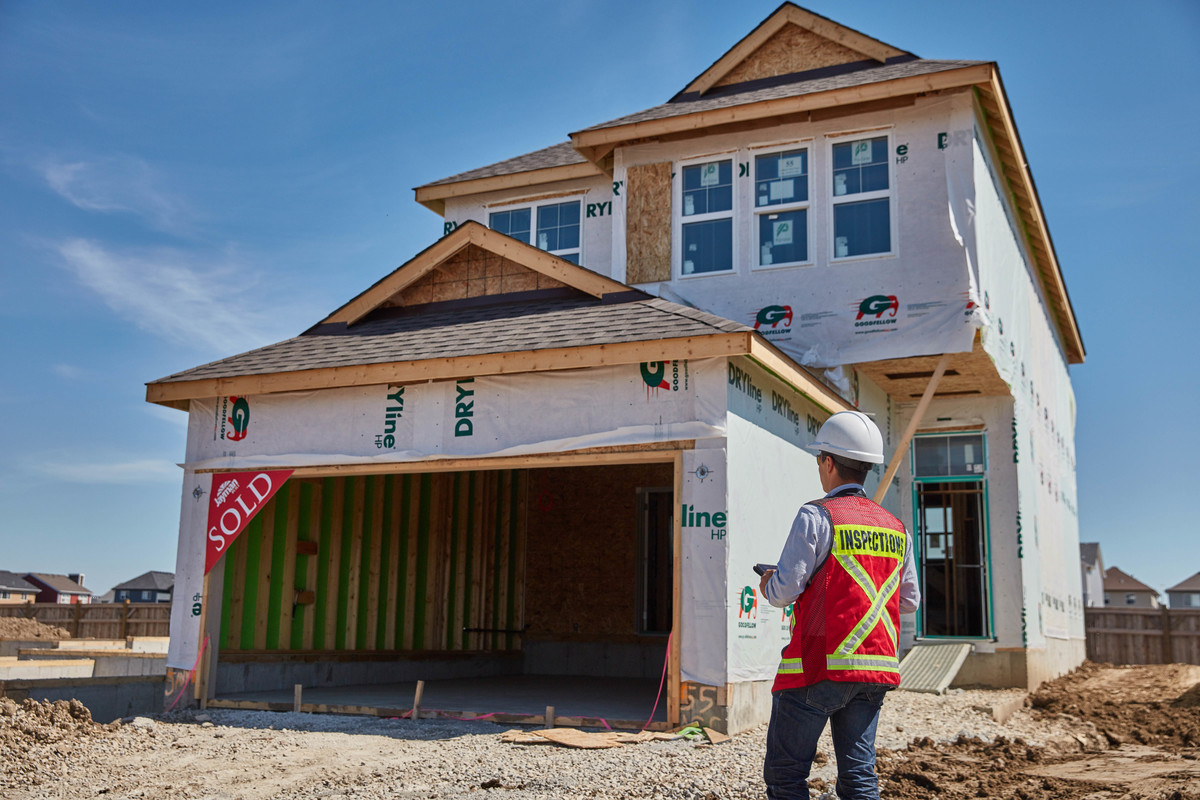
Guidance for contractors, developers and builders
Planning construction or renovation work during Stage 4 water restrictions? Find guidance on what outdoor water use is permitted and learn about alternative water sources and project planning considerations.
Guidance for construction and renovationBusiness
Are you a business owner?
We’re also asking businesses, small and large, to conserve water in their operations.
- Connect with others in your industry to share best practices about what your organization can do to help save water.
- Find out how you can reduce your non-essential water use based on your business type without compromising safety or quality.
Help us spread the word
Businesses and organizations can share and display these materials for their customers and employees.
Handout, poster, social media, digital display


Social media
1080 x 1080 px
1200 x 628 px

Digital display
1920 x 1080 px
Frequently asked questions
Understanding water restrictions
How long will the restrictions remain in place?
We expect the existing Bearspaw South Feeder Main to be shutdown for approximately 4 weeks to complete the connection of the new pipe into the existing water system.
Will outdoor water restrictions be city wide or only in specific, impacted areas?
When water restrictions come into effect, they are implemented city-wide and apply to all residents, businesses and City operations because our water distribution system is interconnected throughout the city.
How much water can The City distribute through the system while the existing Bearspaw South Feeder Main is temporarily shut down?
Between Calgary’s two water treatment plants, we’ll be able to supply 500 million litres of water per day.
How is the system operating while the pipe connection work is underway?
Under normal conditions, Bearspaw Water Treatment Plant typically supplies 60% of the city and region’s water. But when the Bearspaw South Feeder Main is shutdown, it severely reduces how much water we can consistently supply to Calgary and surrounding region from this plant because this feeder main is one of the primary pipes that carries water from the Bearspaw Water Treatment Plant and feeds the distribution system.
As a result, the Glenmore Water Treatment Plant will be supplying the majority of the city and region’s water, approximately 80%, while the Bearspaw Plant will be able to contribute only 20% through the remaining available distribution infrastructure.
What happens if water demand exceeds what The City can supply?
While the system can handle this occasionally, using more than 500 million litres of water puts added strain on the water system.
This can lead to problems like reduced water supply for firefighting, water treatment plant issues, low water pressure, or the need for a city-wide boil water advisory.
Will The City open river water pickup stations for businesses when Stage 4 restrictions are needed?
To support the construction industry during restrictions, The City will provide a river water pick-up station as an alternative water source.
The station will remain open as long as river conditions allow for safe operation.
The location and operating hours will be shared in the coming weeks.
Will indoor pools be allowed to operate without disruption during the upcoming restrictions?
Yes, indoor pools are allowed to operate when water restrictions are in effect. We’re asking these facilities to adjust their operations to conserve water where possible.
At our City-operated recreation facilities, we're making operational adjustments to reduce water use by:
- Conducting frequent inspections to identify and repair leaky faucets, showerheads, toilets, water fountains and pool basins.
- Adjusting cleaning procedures to conserve water.
- Switching from cloth to disposable paper towels to reduce laundry-related water use.
- Refraining from refilling kiddie pools and hot tubs once water quality can no longer be maintained within required regulatory limits.
In advance of water restrictions, we’re completing water intensive cleaning activities, including pool backwashes, cleaning and refilling hot tubs and kiddie pools and ensuring all pools are full.
Is The City planning on shutting down car washes for this period of time?
Commercial car washes will continue to be allowed to operate, if demand stays low, and are asked to conserve water where they can.
Some indoor car washes recycle around 85 per cent of their water. We encourage drivers to wash their vehicles only when necessary for safety (to keep windows, mirrors and license plates clean).
Connecting the new pipe into the water system
Once the new pipe is connected, will outdoor restrictions still be needed?
No water restrictions are anticipated during the commissioning phase of the new Bearspaw South Feeder Main in December.
Outside of the Bearspaw South Feeder Main work, other scenarios outside of The City’s control, including other infrastructure failures or weather-related conditions such as drought or heat waves, may necessitate outdoor water restrictions and/or indoor water conservation as well. We monitor a range of factors, including carefully monitoring our infrastructure and upcoming projects to help ensure a reliable water supply for our growing city, and to guide decisions about whether water restrictions are needed and at what level.
You can stay up to date on the conditions we’re monitoring on calgary.ca/waterwise.
What happens next once this connection work wraps up? Is there still a risk of failure?
Once the new pipe is connected into the existing water system there is still important work to be done until it’s operational. This includes commissioning the new pipe in December.
During this time, we will continue to rely on the existing Bearspaw South Feeder Main, so there’s still a risk of a break. Residents and businesses should be ready for outdoor water restrictions and indoor conservation at any time.
With the pipe connection work set to take place in the late fall over four weeks, what impact will this have on the Glenmore water supply through the winter?
We will closely monitor flows in the Elbow River and water levels in the Glenmore Reservoir this winter.
If needed, we can shift more water production to the Bearspaw Water Treatment Plant, reducing demand on the Glenmore Reservoir and helping preserve water supplies until spring runoff replenishes them.
If necessary, we can also reduce flows downstream of the Glenmore Dam, while continuing to maintain environmental flows needed to support the health of the river. These measures would help ensure a reliable water supply throughout the winter.
Stay informed
-
Download the Alberta Emergency Alert app


