

What to do during a hail storm
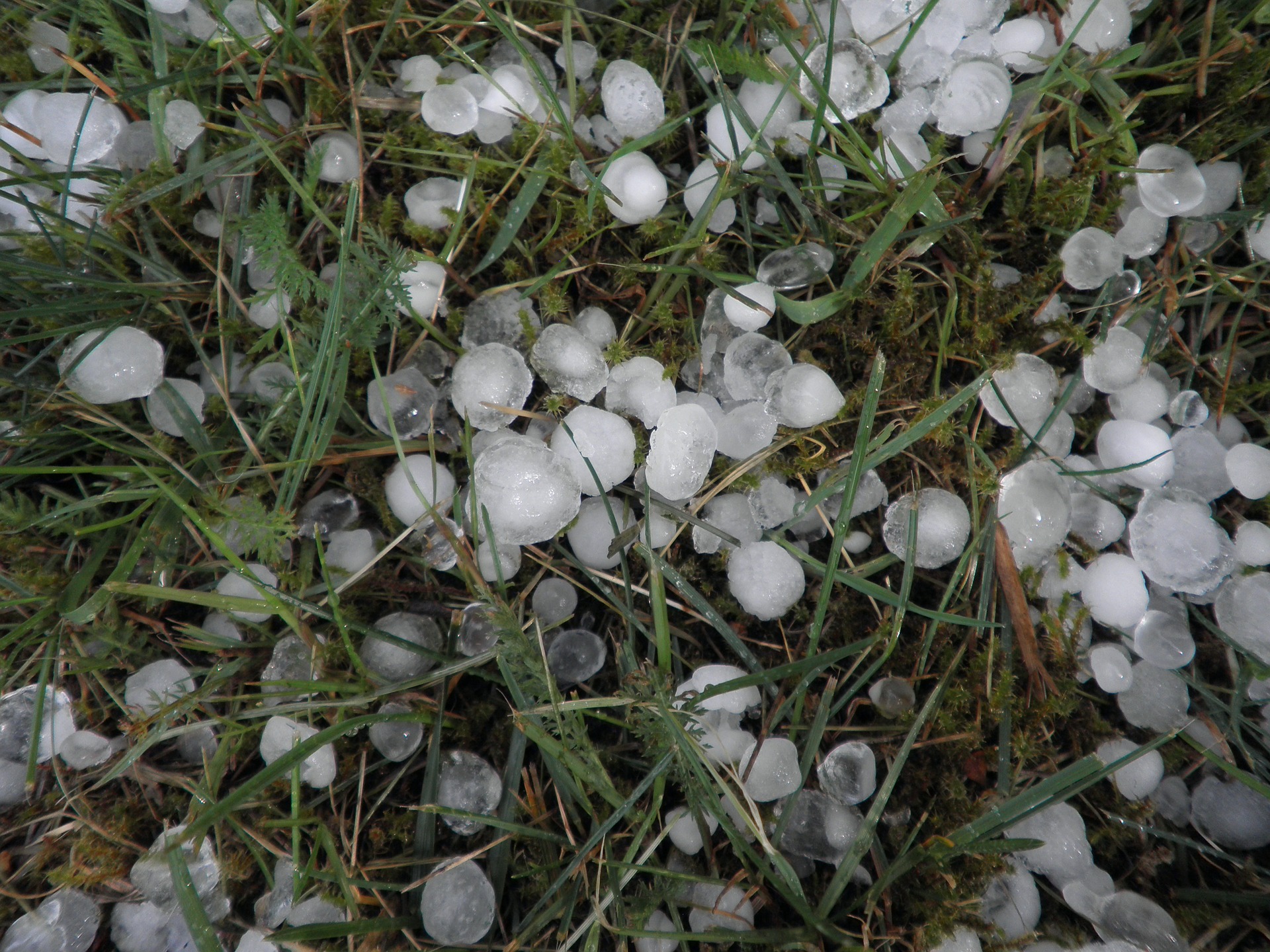
Hail
Calgary is vulnerable to hail. Environment and Climate Change Canada (ECCC) defines hail as precipitation in the form of solid ice pellets ranging from small pea-sized to large grapefruit-sized lumps that form inside thunderstorms. Hail can cause severe damage to properties and vehicles.
How to prepare
- Routinely monitor local weather forecasts and Alberta Emergency Alerts for watches and warnings for thunderstorms (which often include hail).
- Put together an emergency kit with essential supplies such as non-perishable food, water, flashlights, and batteries to get you through the first few days of an emergency.
- Make an emergency action plan for your household so you know what to do and who to contact in an emergency.
- Review your home insurance policy and ask your insurance provider what your policy covers in the event of damage from natural disasters.
- Secure outdoor items by moving vehicles, patio furniture, and other belongings into a garage or shed, if possible.
- Inspect and maintain your property, especially your outdoor area and roof to ensure protection against strong winds, rain and hail.
- Keep trees and shrubbery trimmed and maintained to limit impacts from hail and winds.
Hail preparedness guide
This easy to follow Hail Preparedness Guide will help walk you through how to prepare for a hail storm, how to stay safe during a hail storm and what to expect afterwards. It is available in multiple languages:
What to do during
- When hail or thunderstorms threaten, seek shelter immediately in a secure building. Bring your pets inside too.
- Close all windows and doors. Stay away from windows, glass doors, and skylights.
- Draw curtains and blinds to help contain broken glass if a window shatters.
- If you’re driving, pull over safely and remain in your vehicle.
- If you’re caught outside with no shelter, crouch down, face away from the wind and protect your head and neck with your arms.
- Watch for flooded areas. Excessive hail combined with heavy rain can block storm drains and create local flooding.
- Stay away from trees, towers, metal fences or poles to avoid lightning strikes.
- Place any cars, RVs, boats, recreational vehicles, patio furniture and other large objects in a covered area, like a shed or garage if possible.
Know what to do after
- Clean up and prepare to repair any damage.
- If you are cleaning up after a hail storm, protect yourself by wearing personal protective equipment if required.
- Check on your neighbours friends and family.
- Inspect any damage that may have occurred to your property, take photos of the damage and contact your insurance provider as soon as possible to begin the claims process if necessary.