

Drought

Monitoring water supply and managing demand
Together, we can make every drop count
Current conditions - Nov. 16, 2026
Calgary’s water supply remains healthy for this time of year with water demand within the current constraints of our system. Our infrastructure is being closely monitored as crews connect the new Bearspaw South Feeder Main to the water system. More information on the various factors influencing these conditions is provided below.
Our next update will be provided in December 2026.
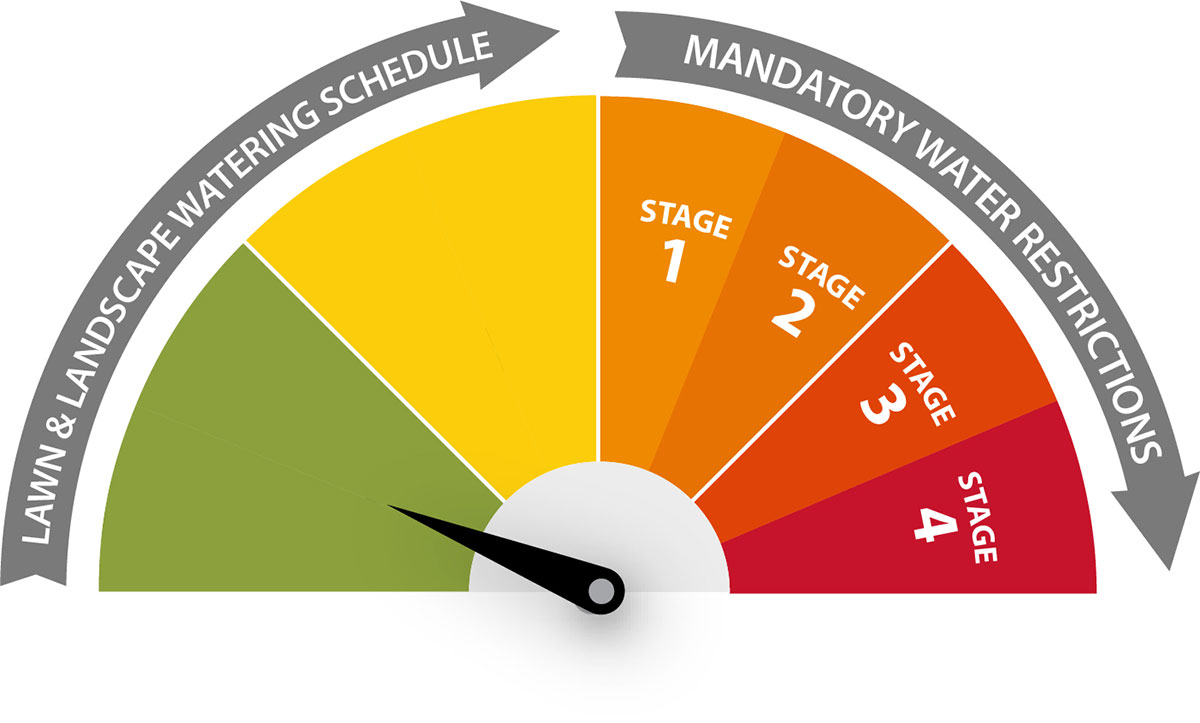
What we're monitoring
We monitor a range of factors to help ensure a reliable water supply for our growing city, and to guide decisions about whether water restrictions are needed and, if so, at what level.

Supply
Water supply is normal for this time of year.
- On-stream reservoir storage in the Bow and Elbow River watersheds is at a normal level for this time of year and the Glenmore Reservoir is being kept as full as possible while it is being heavily relied on during the current Bearspaw South Feeder Main shut down.
- River flows on the Bow and Elbow are within the normal range for this time of year.
- We are monitoring the developing El Niño conditions and emerging outlook for 2027. El Niño can contribute to warmer, drier winter conditions, which can affect how much snow accumulates in the mountains. Because mountain snowpack helps feed our rivers as it melts in the spring and summer, lower snowpack can mean less water flowing into the rivers that supply Calgary.
- So far this fall, conditions have been relatively dry, with warmer temperatures, limited precipitation, and mountain snowpack somewhat behind typical levels for this time of year. As it is still early in the season, conditions may change significantly over the coming months.
What influences the amount of water available in on-stream reservoirs?
The volume of water available in the Bow basin’s reservoirs is actively managed to balance flood and drought risk using measurements and forecasts of snowpack, rainfall, and water use.

Demand
Since stage 4 water restrictions came into effect, water use has remained below the target of 500 million litres per day.
What factors influence water demand?
The amount of water people typically use is driven by temperatures, rainfall and the current level of dryness.

Infrastructure
The existing Bearspaw South Feeder Main has been temporarily shut down while crews connect the new pipe to Calgary’s water system. Between our two water treatment plants, we’re only able to supply 500 million litres of water per day. The system is stable while operating at a reduced capacity and continues to be monitored closely.
Water schedule
Lawn and landscape watering schedule
This schedule sets regular days and times for watering your lawn with a sprinkler or automatic irrigation. This will help protect our water system during peak summer demand and to make sure there’s enough water for the things that matter most.
Know your three watering daysTop tips for saving water outdoors
More ways to save water
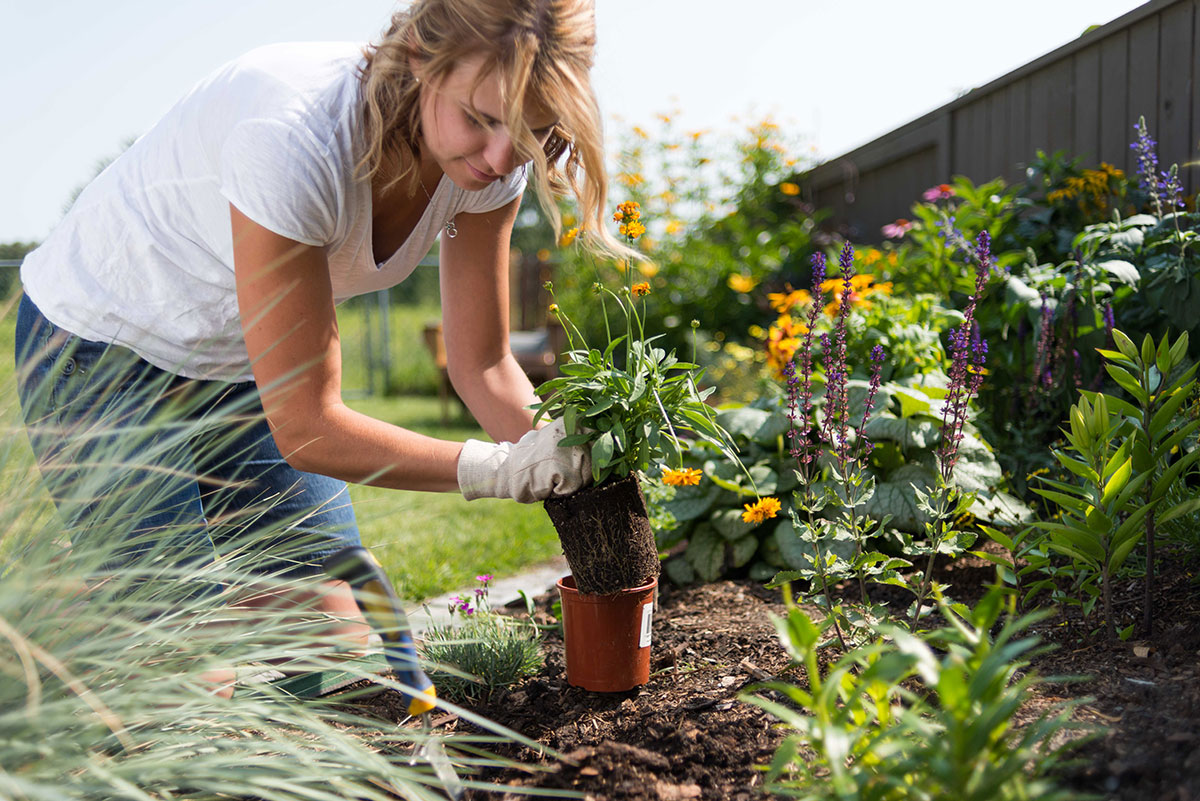
In your yard
During spring and summer, your water use can jump by 30 to 40 per cent because of outdoor watering activities. Prepare your yard for dry conditions and make it as water efficient as possible.
Learn about drought-tolerant native plants Get a rain barrel
At home
In Calgary, the average person uses about seven cubic metres (m3) or 7,000 litres of water per month.
Find out the biggest water users inside your home and get tips and actions to take to achieve significant water savings in your bathroom, kitchen and laundry area.
Saving water in your home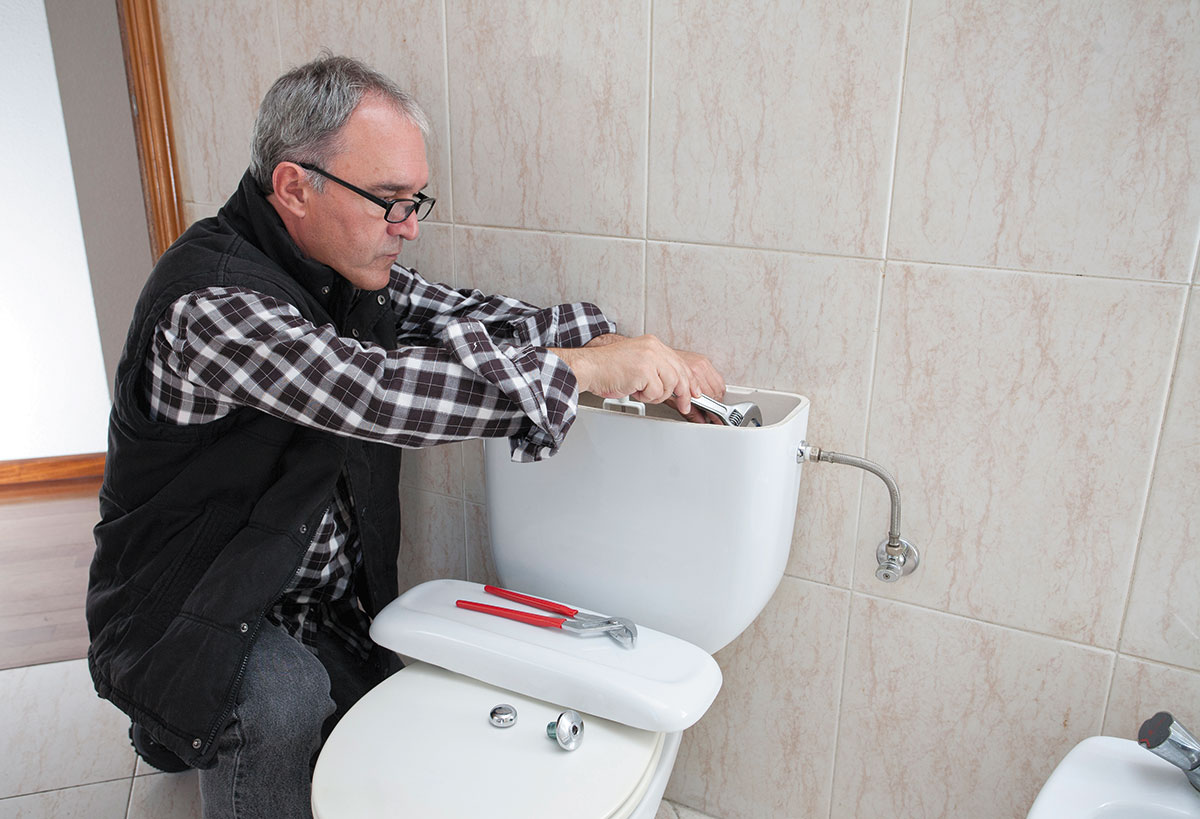
At work
Practicing water efficiency makes good business sense. It helps lower operating costs, saves energy and demonstrates responsible water use.
There are many ways businesses can conserve water. Learn how to lower your water use with sector specific tips, guides and resources.
Water efficiency for businesses Learn how to become a water managed siteMore information
-
Find out what steps we're taking to be ready to respond to drought.
-
How we’re building a city that can better withstand and recovers from long periods of dry weather.
-
An interactive map showing precipitation and river flows, water supply outlook and drought advisories.
-
Information about drought conditions across the province and actions undertaken by Alberta's government.