

After a disaster
After an emergency
Emergencies and disasters can affect more than roads, buildings, and power. They can also take a toll on mental health and overall well‑being. These impacts often last longer than the physical damage.
Recovery takes time, but there are steps you can take to help yourself and your loved ones recover and move forward.
Take care of your safety first
Injuries often happen after an emergency, when people are moving through damaged areas or debris.
- If you or others are in immediate danger, call 9‑1‑1.
- If you or someone else is injured, seek medical attention
- Do not enter damaged buildings or restricted areas until authorities say it is safe.
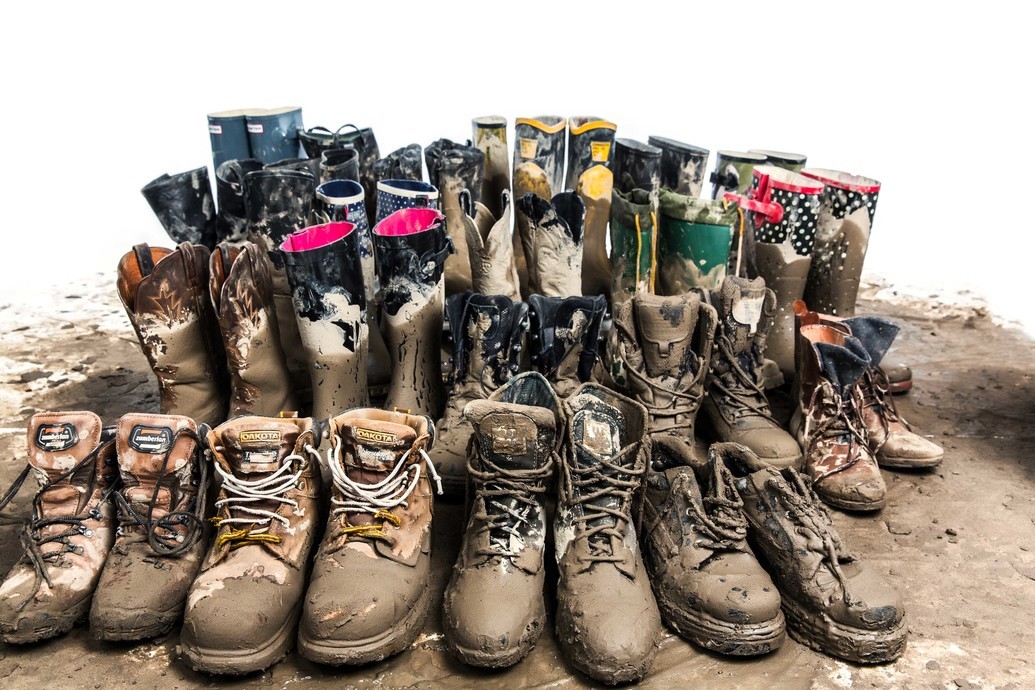
- When cleaning up debris, wear proper protective equipment such as gloves, sturdy boots, eye protection, and a mask.
- If you are evacuated and have nowhere to go, visit a reception or evacuation centre set up by local authorities. These centres can help with temporary shelter and reuniting with loved ones.

Check for property damage
If you had to evacuate, do not return home until authorities say it is safe. Once you are cleared to return home:
- Check your property for damage
- Take photos or videos to document any damage for insurance purposes
- Avoid touching damaged utilities or electrical equipment
Financial recovery and insurance
Taking early steps can help reduce stress and support recovery:
- Document damage as soon as it is safe, including taking photos before, during, and after clean‑up
- Keep receipts for repairs, clean‑up, and living expenses if you have been displaced
- Keep a list of items that were damaged or had to be thrown out
- Contact your insurance provider as soon as possible to understand your coverage and next steps
- Speak with an insurance agent about your specific needs, including coverage for specialized medical equipment
Resources:
- Steps to take following a disaster | Alberta.ca (Government of Alberta)
- After the Storm: Insurance Essentials for Severe Weather Recovery (Insurance Bureau of Canada)
- Cleaning your home after a flood | Alberta.ca (Government of Alberta)
- Avoiding scams during and after wildfires (Government of Alberta)
- Tips for Buying Adequate Property Insurance for Insurable Perils in Alberta (Government of Alberta)
Who to contact for help:
Depending on the type of support you need, you can call the following numbers for assistance.
| Emergency and support contacts | Phone number |
|---|---|
|
Emergency
and support contacts:
Emergencies (police, fire, ambulance) |
Phone number:
911 |
| Emergency and support contacts: Gas emergency - ATCO Gas | Phone number: 1-800-511-3447 |
| Emergency and support contacts: Electrical emergency - ENMAX | Phone number: 403-514-6100 |
| Emergency and support contacts: All other City of Calgary services | Phone number: 311 |
| Emergency and support contacts: Poison Control Centre | Phone number: 1-800-332-1414 |
| Emergency and support contacts: Health Link | Phone number: 811 |
| Emergency and support contacts: Community and social services | Phone number: 211 |
| Emergency and support contacts: Alberta Transporation information | Phone number: 511 |
| Emergency and support contacts: Police non-emergency line | Phone number: 403-266-1234 |
Stay informed
Continue to monitor trusted sources for updates for safety information and available supports:
- Emergency updates from local authorities
- Local media
- The City of Calgary website and social media channels
Look after your mental and emotional well being
Emergencies and disasters can affect more than roads, buildings, and power. They can also take a toll on mental health and overall well‑being. These impacts often last longer than the physical damage from disasters.
Some emotional responses happen right away, while others may show up days, weeks, or even months later.
Focus on activities that help restore balance and connection:
- Reach out to family, friends, or neighbours - meet for a coffee or go for a walk
- Stick to your routine as much as possible
- Rest and give yourself time to recharge
- Get outside for fresh air and gentle movement
- Check in regularly with yourself and your loved ones
Common signs of stress may include:
- Headaches, sickness, or low energy
- Trouble sleeping
- Irritability, anxiety, or feelings of helplessness or guilt
- Withdrawal or isolation
- Increased use of alcohol or other substances
If you notice these signs in yourself or someone else, reaching out for help can make a difference. There are many support services available in Calgary.
Resources:
- For families: Stress, work, and finances after a disaster (Government of Alberta)
- Recovery after a Disaster- Long-term (Government of Alberta)
- 24-Hour Crisis Support in Calgary & Southern Alberta (Calgary Distress Centre)
- Addiction & Mental Health | Alberta Health Services (Alberta Health Services)
- Carya programs and services (Carya Calgary)
